
Tokenised market funds in 2026: key findings
Where are tokenised money market funds delivering value in 2026 – and where are firms still facing barriers to adoption?
In Partnership with




Content Types
Topics
SHARE THIS INSIGHT
Developed with Taurus, in association with ISDA and GDF, these key findings examine where tokenised money market funds are gaining traction and why the inefficiencies in traditional MMF workflows are becoming harder to ignore. The findings show where launch momentum is building, how firms are assessing collateral use and what still needs to change for broader adoption.
Launch plans are building
Launch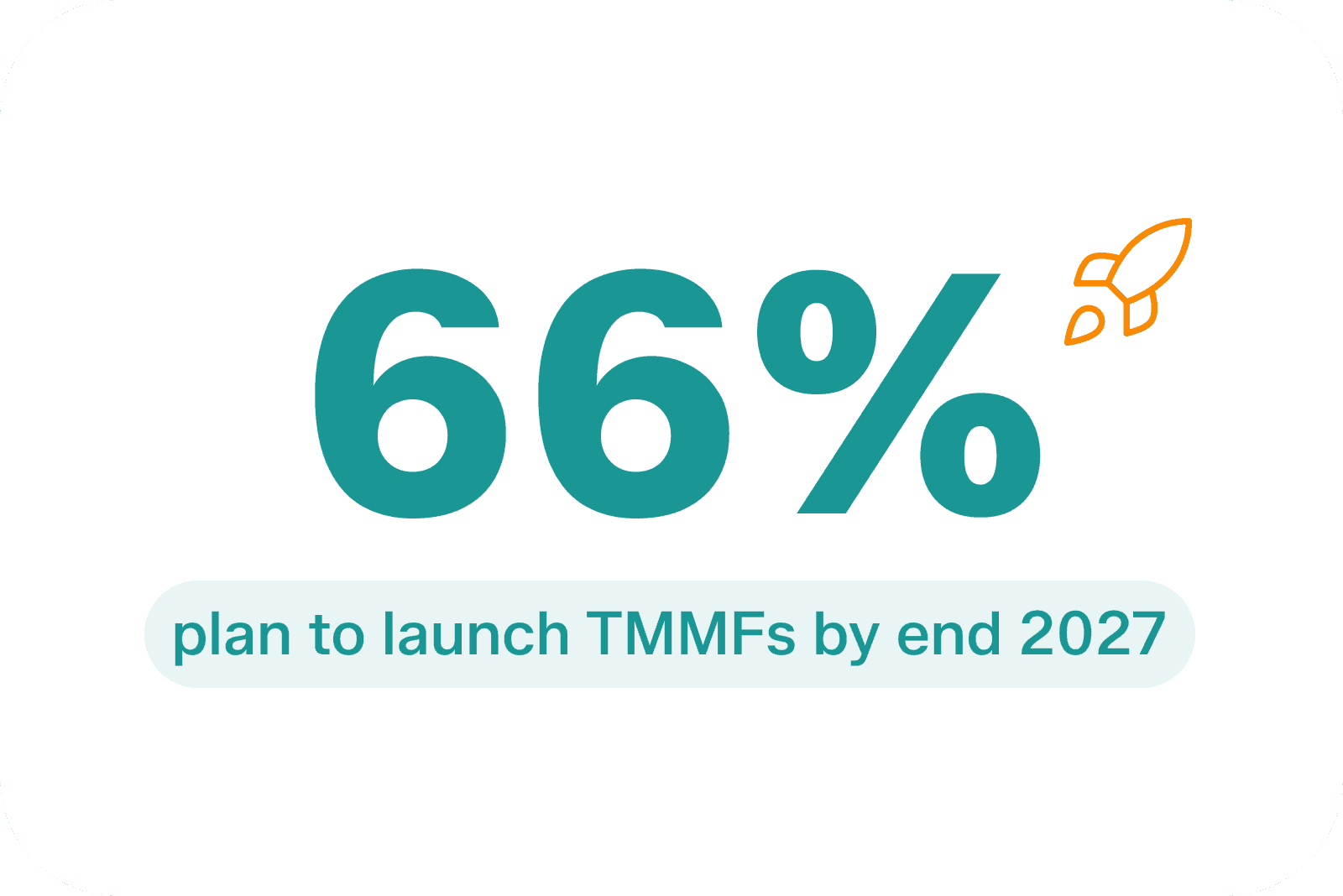
The market is moving more clearly from discussion into execution.
73% of North American firms expect launches as early as 2026.
Traditional MMFs still create friction
Efficiency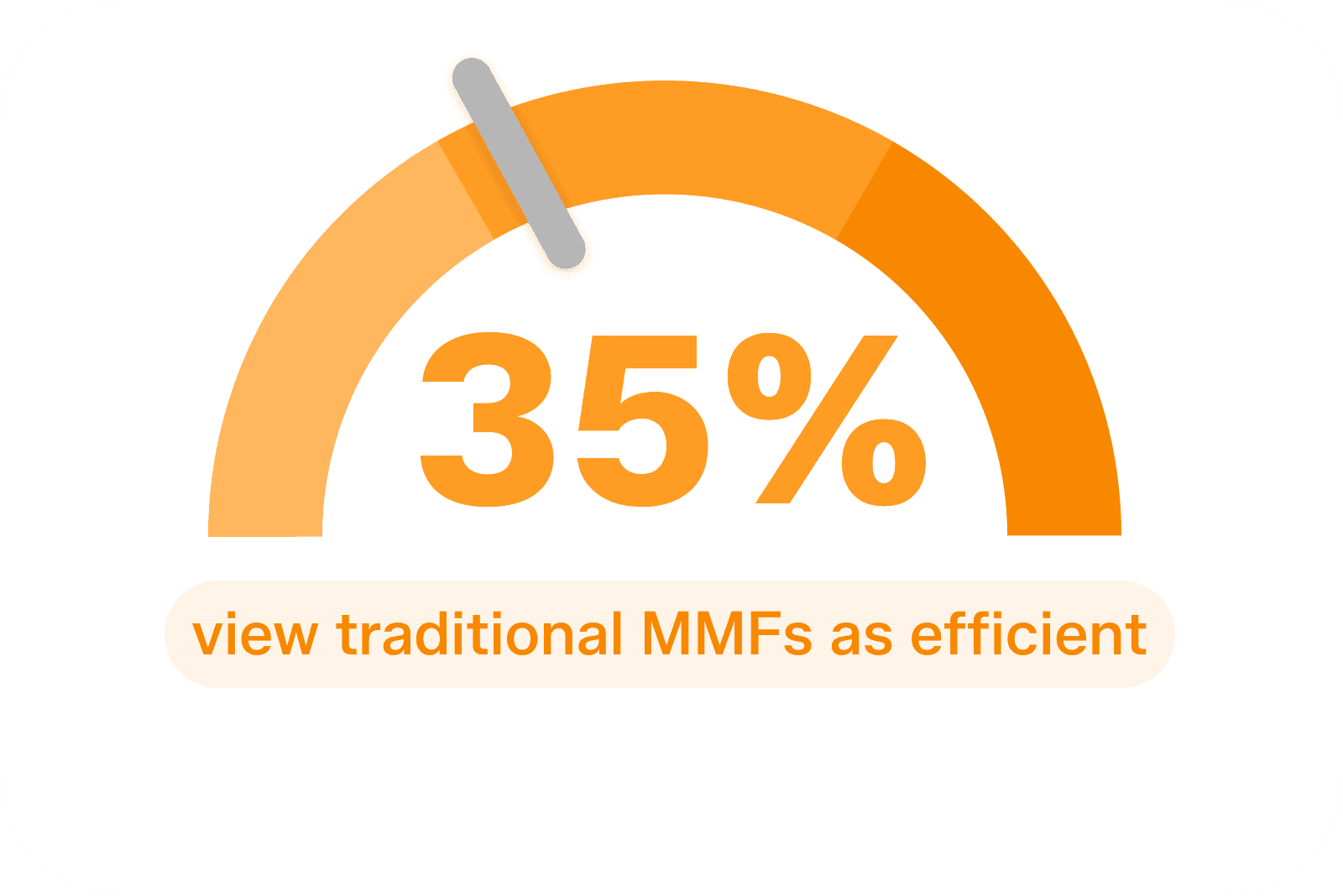
Current MMF workflows remain manual, time-sensitive and operationally constrained.
Onboarding, routing and reconciliation continue to limit operating efficiency.
Collateral use is becoming real
Collateral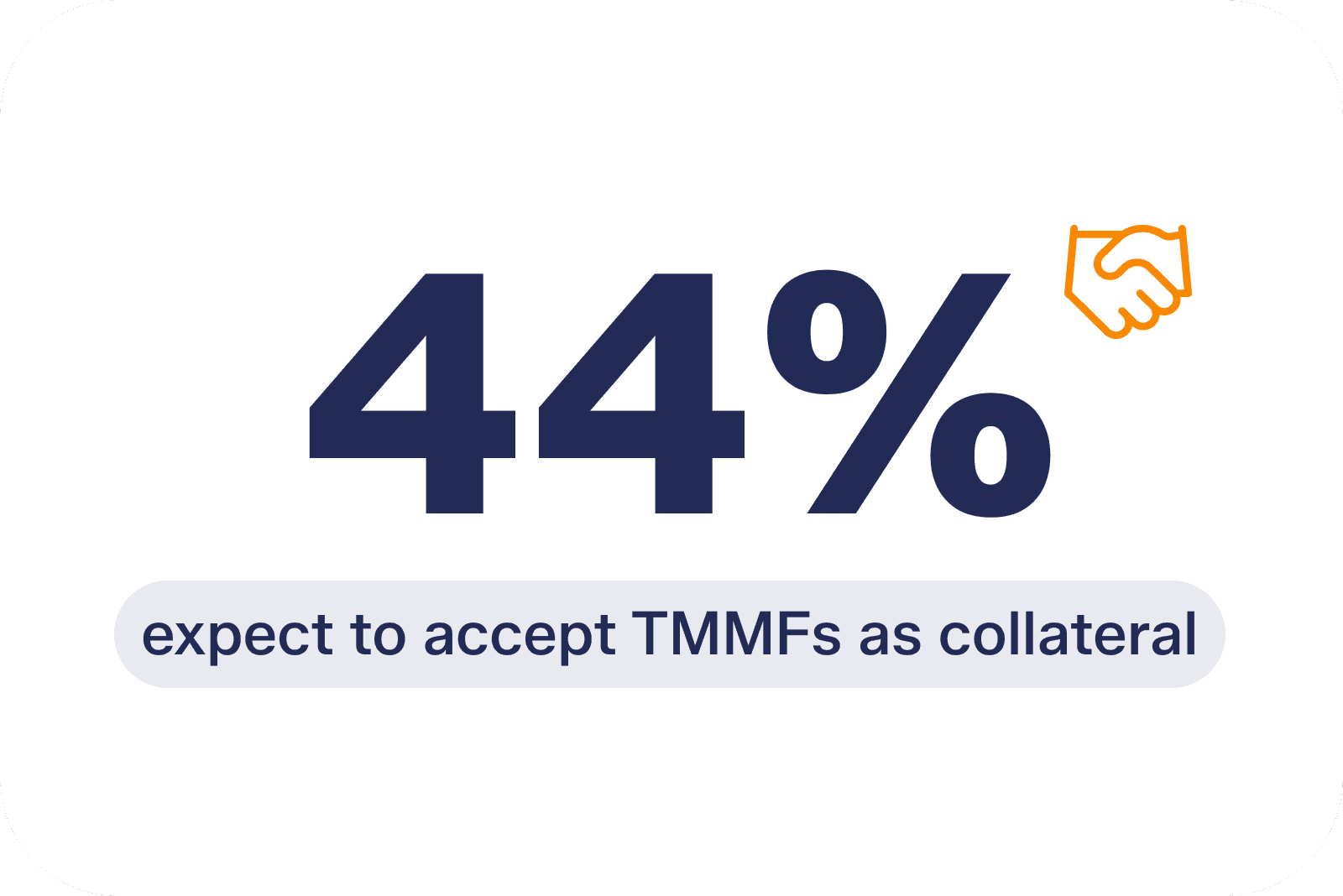
Collateral eligibility is becoming a practical part of the tokenised MMF business case.
Firms increasingly see value in lower cost, better earnings and more usable liquidity.
Europe remains fragmented
Market structure
Europe’s post-trade structure remains highly fragmented, with national infrastructures and legal regimes still shaping how the market operates.
This creates operational friction, weakens integration and increases the complexity of cross-border settlement.
Credit lines carry cost
Capital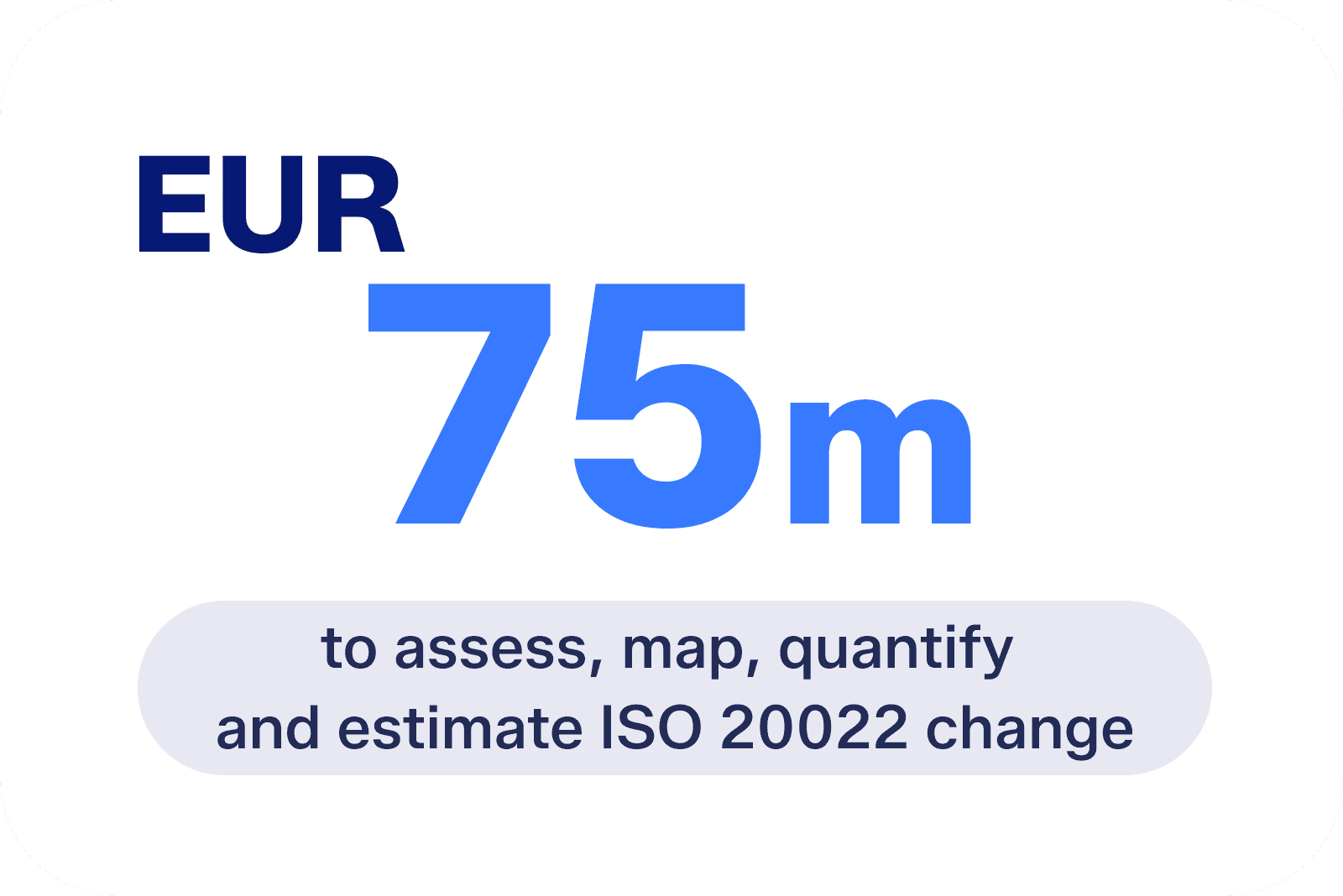
Under Basel III, even unused liquidity capacity is no longer free.
The 5% NSFR treatment on undrawn intraday credit lines is creating a measurable capital drag for tier-one firms.
Fewer fails lower penalties
Efficiency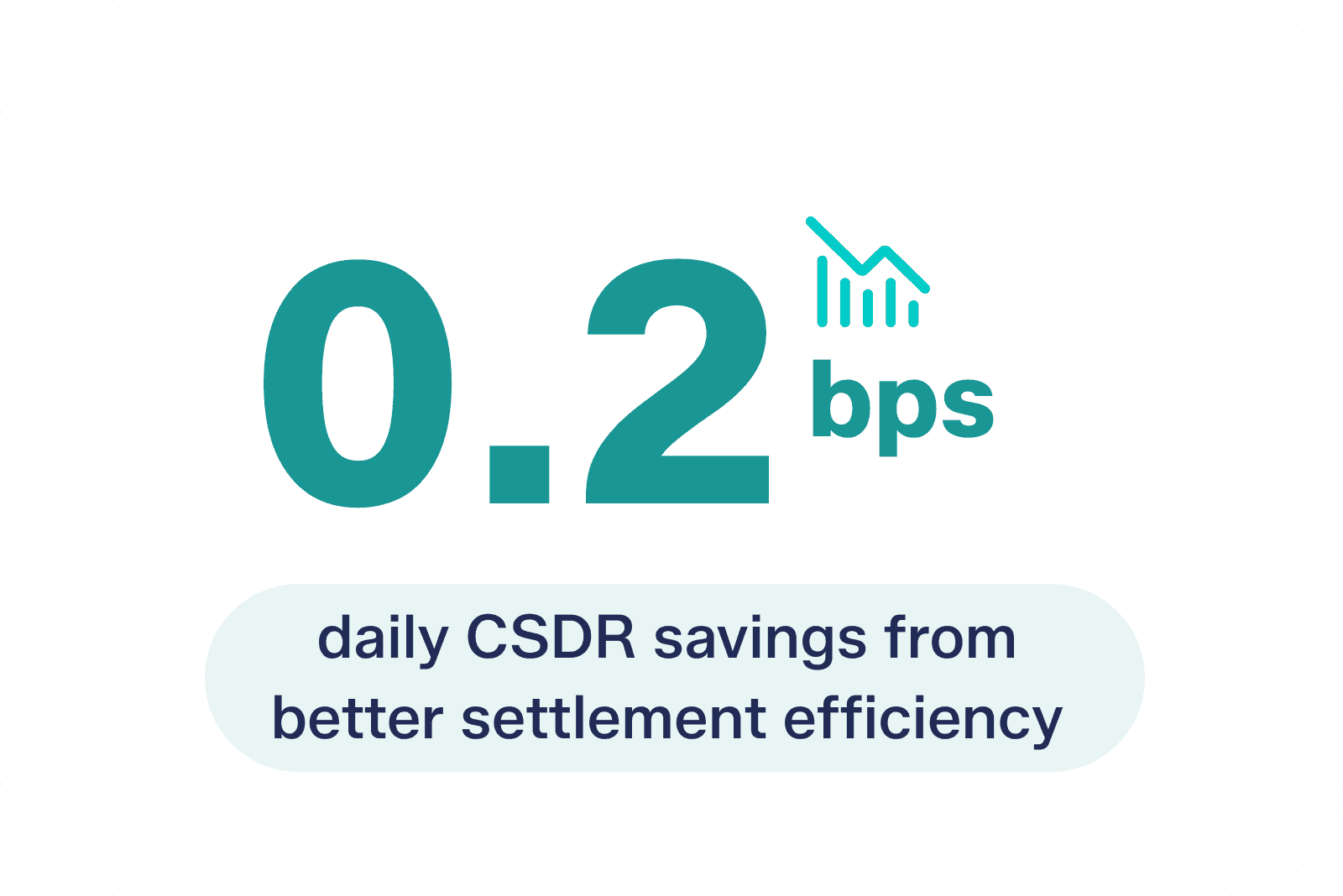
Settlement efficiency has a direct economic value when penalty exposure is reduced.
Agent-bank intervention that cuts fail rates by 20% can generate around 0.2 basis points in daily CSDR savings.
Legacy still absorbs budget
Legacy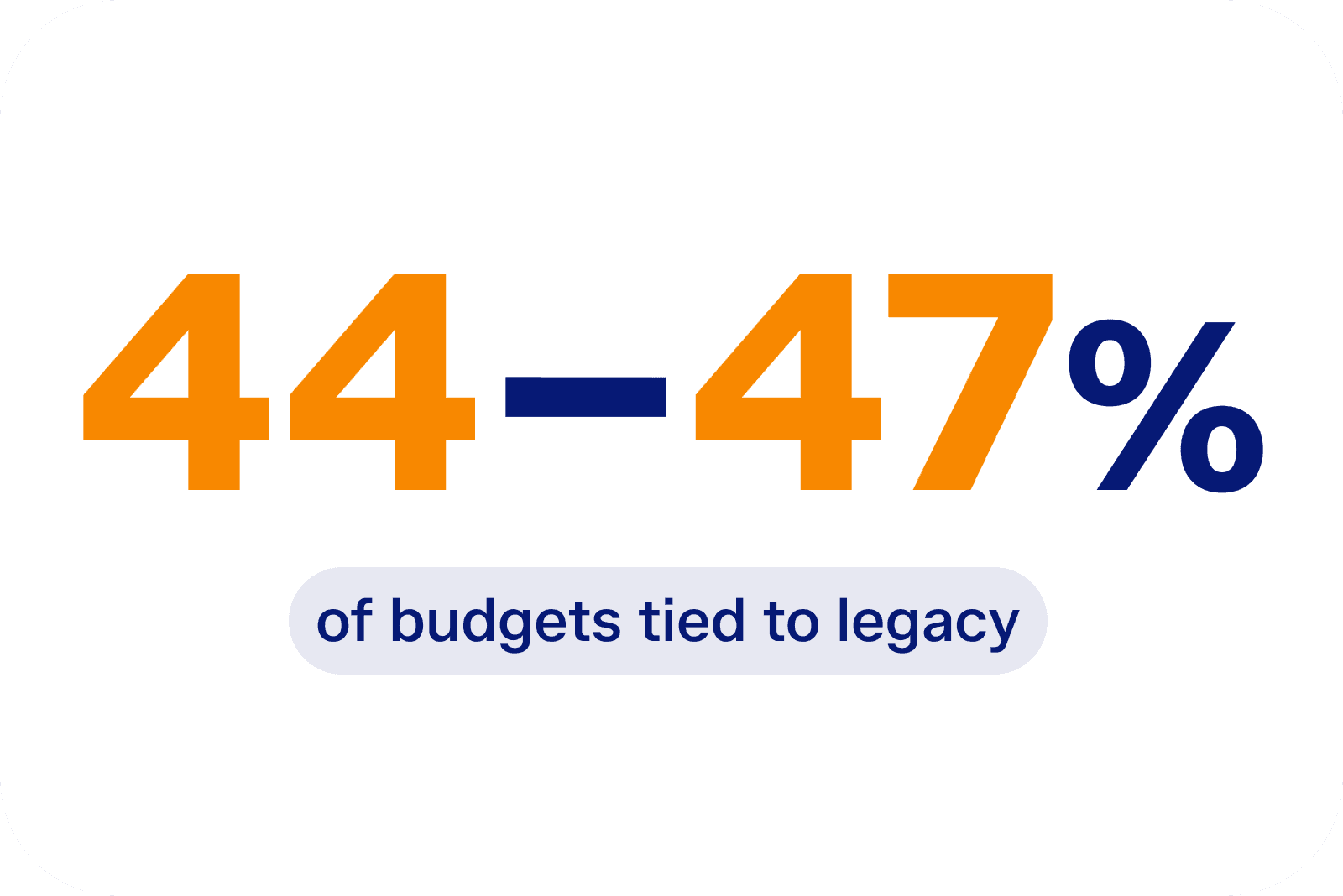
Legacy remains one of the biggest constraints on change across securities services.
Large parts of the operating environment are still shaped by older systems, fragmented workflows and data constraints.
Data blocks automation
Data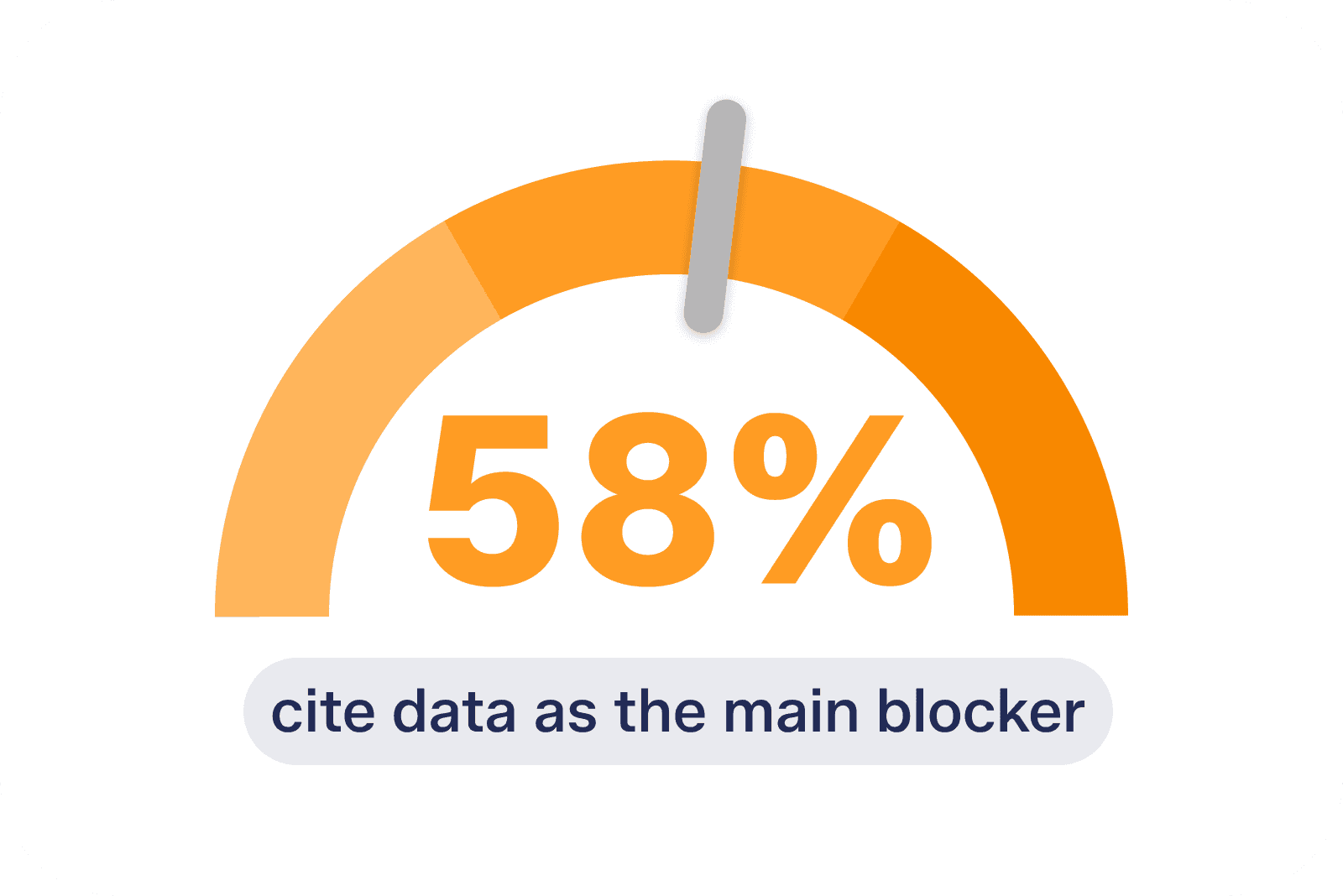
Automation is still being slowed less by ambition than by weak data foundations.
Data quality and workflow inefficiency continue to limit how far firms can modernise at scale.
Readiness gaps remain
T+1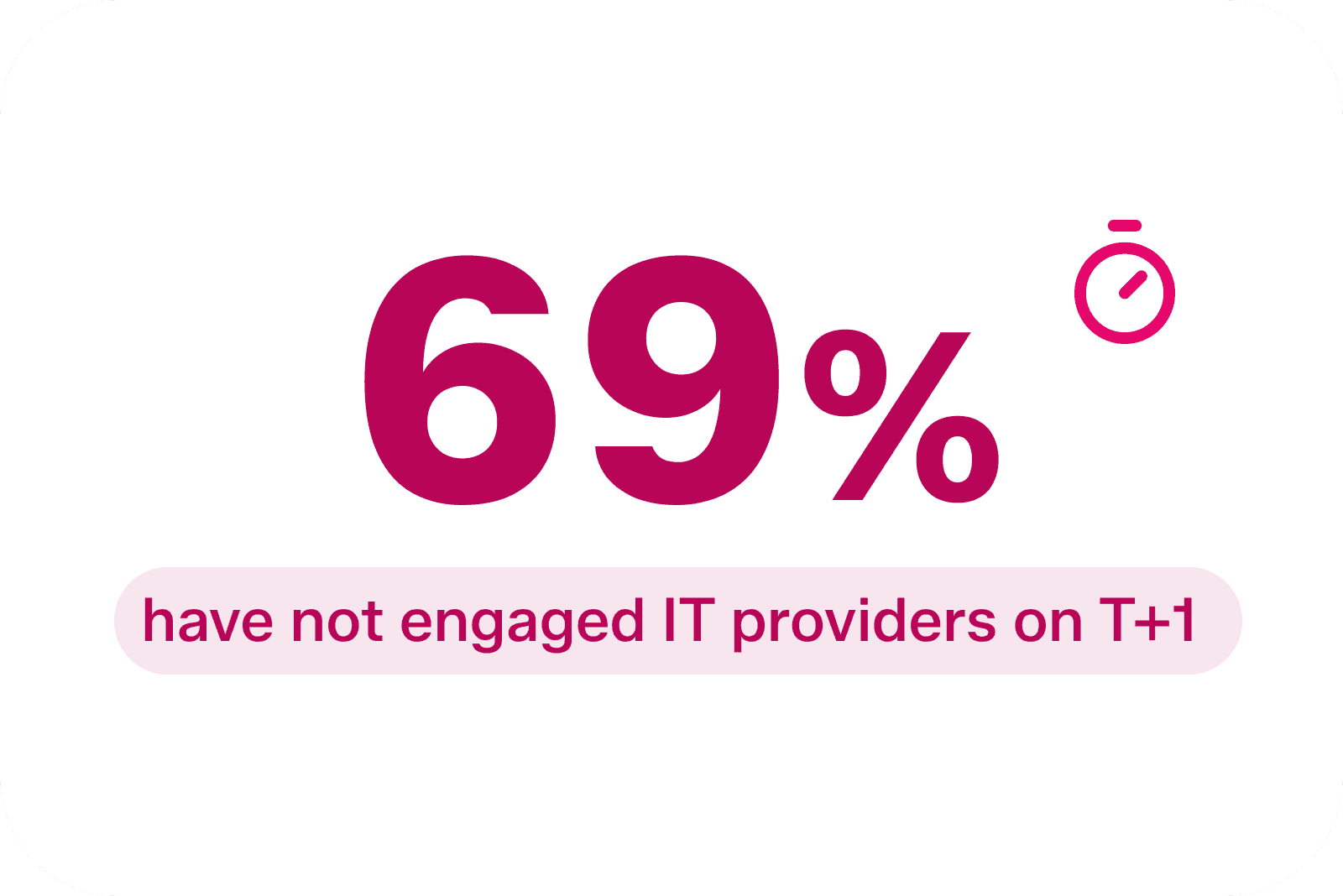
T+1 is exposing where technology readiness is still lagging behind market deadlines.
Earlier technology engagement is becoming increasingly important as settlement cycles compress.
Tokenised money market funds are moving closer to practical adoption as firms assess where tokenisation can improve fund flows, collateral use and operating efficiency. At the same time, the limitations of traditional MMF workflows are becoming more visible across onboarding, routing, reconciliation and earnings management.
Where is the business case for tokenised MMFs becoming most tangible? How are firms weighing launch momentum against the structural barriers that still limit wider adoption?
These key findings, developed with Taurus, in association with ISDA and GDF, examine launch expectations for tokenised MMFs, the operational inefficiencies in traditional MMF models and the areas where cost, earnings and collateral benefits may emerge more clearly.
The research highlights:
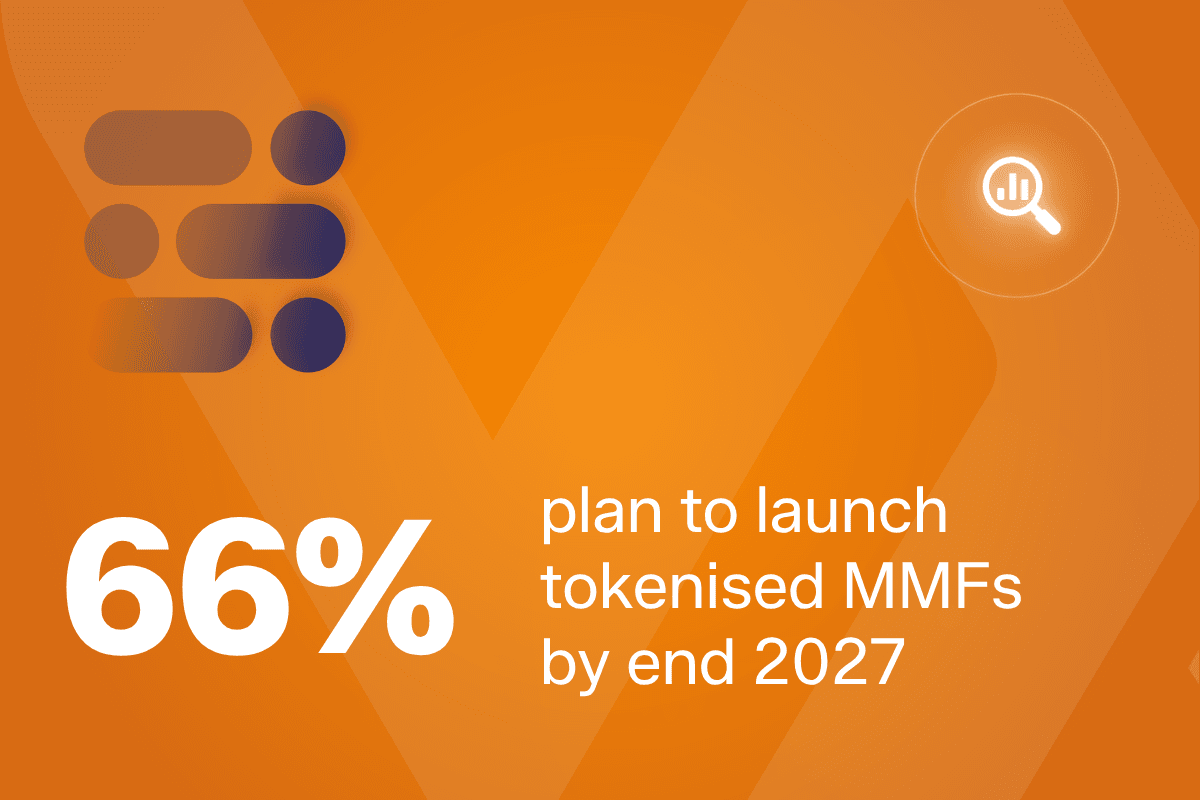
66% of firms plan to launch tokenised MMFs before the end of 2027: the market is moving more decisively from discussion into execution
Only 35% view traditional MMFs as efficient today: current workflows remain manual, time-sensitive and operationally constrained
44% expect to accept tokenised MMFs as collateral by the end of 2027: collateral use is becoming a more practical part of the business case
73% of North American firms expect launches in 2026: regional momentum is building faster in some parts of the market
22% expect TMMF assets under management to exceed USD 500 million by 2028: firms see the potential for more meaningful scale over time
Ask the Xchange AI
Have a question about our research? Ask our AI assistant for specific insights.
Authentication Required
You need to be logged in to access this content. Please sign in to continue.
You need to be logged in to access this content.

![Whitepaper 1 [Soft Launch]](/_next/image?url=https%3A%2F%2Fvaluexchange.s3.us-east-1.amazonaws.com%2Fsmall_thumbnail_dummy_Dashboard.png&w=3840&q=75)