
EU T+1 industry committee readiness survey: Q2 2026 key findings
How ready is Europe for a critical year in the transition to T+1?
In Partnership with


SHARE THIS INSIGHT
Developed in partnership with the EU T+1 Industry Committee, and with support from ESMA and national competent authorities, these key findings examine how the European market is preparing for T+1.
The findings show strong engagement, but also clear gaps in vendor guidance, fund share dealing readiness and operational dependencies.
Engagement is now broad
Engagement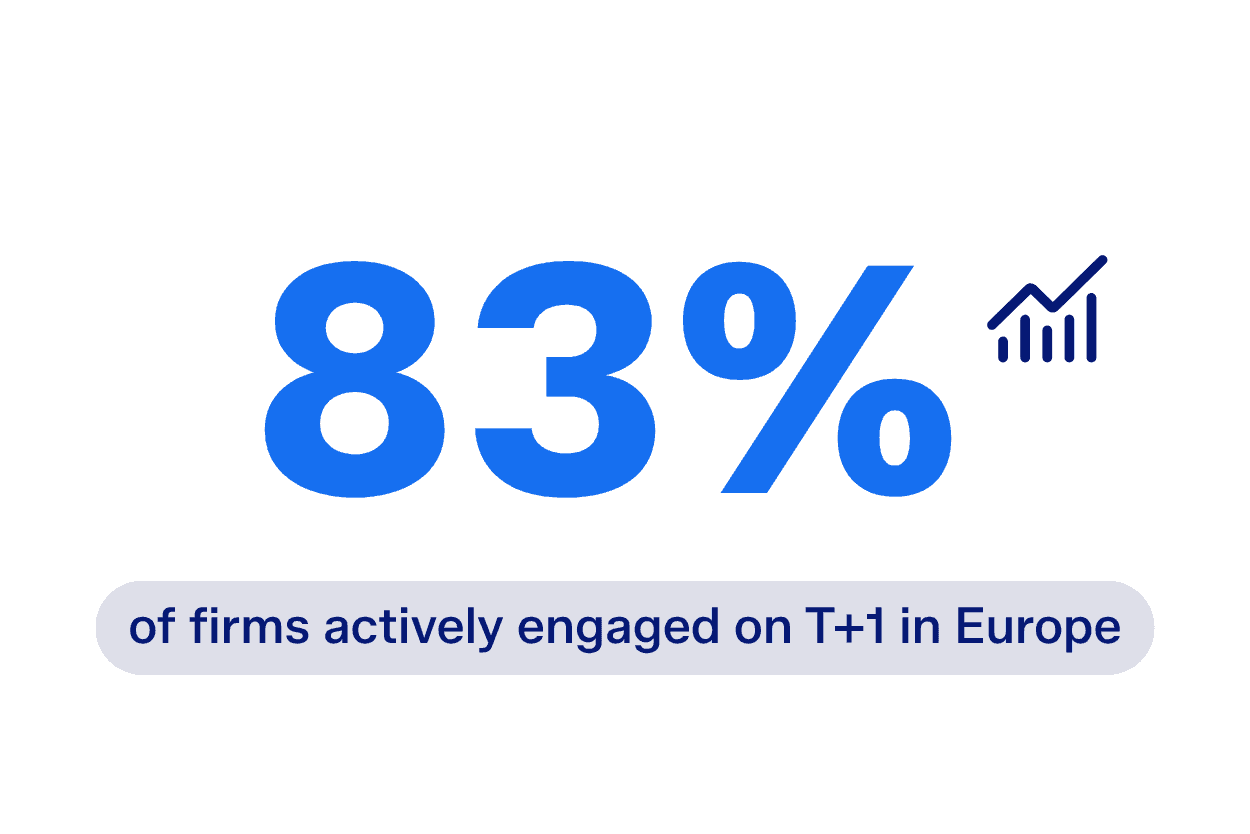
Market-wide mobilisation is now well established, but engagement alone does not remove execution risk.
Planning levels have accelerated as firms move more decisively from preparation into delivery.
External readiness is the main concern
Dependency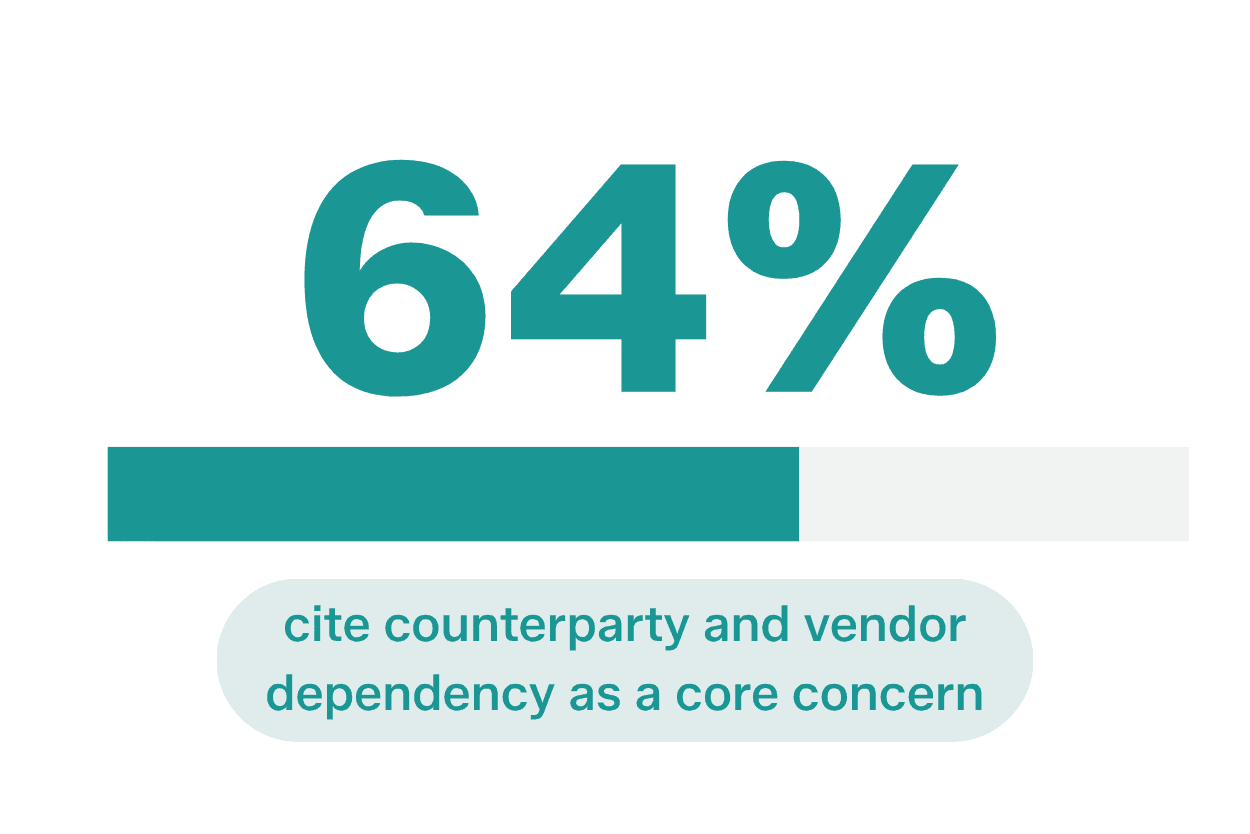
T+1 readiness is becoming as much about others as about internal delivery.
The main pressure is now shifting towards counterparties, clients and service providers.
Provider guidance is still missing
Guidance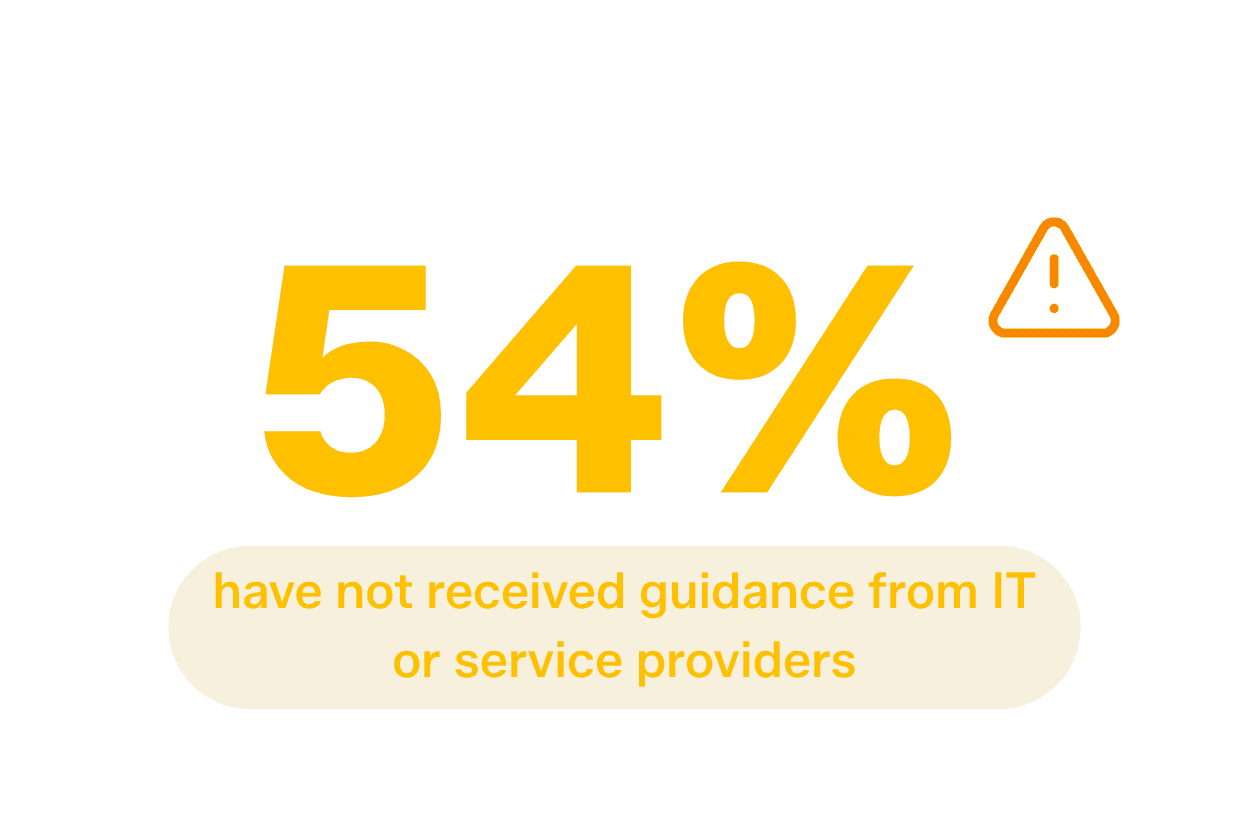
Many firms are still waiting for the external input they need to complete planning with confidence.
This is slowing progress at the point where implementation and testing timelines are getting closer.
T+1 planning in Europe is moving forward, but readiness remains uneven. Engagement is high across the market, yet firms continue to face significant dependency risk, incomplete guidance and important gaps in preparation across key parts of the trade lifecycle.
Where does the European market stand today? What still needs attention as firms prepare for a critical year in 2026 and the lead-up to 11 October 2027?
These key findings, developed in partnership with the EU T+1 Industry Committee and with strong support from ESMA and national competent authorities, provide an updated view of how firms are preparing for T+1 and where the main pressure points remain.
The research highlights:
83% of firms are actively engaged on T+1 in Europe: market-wide mobilisation is now well established
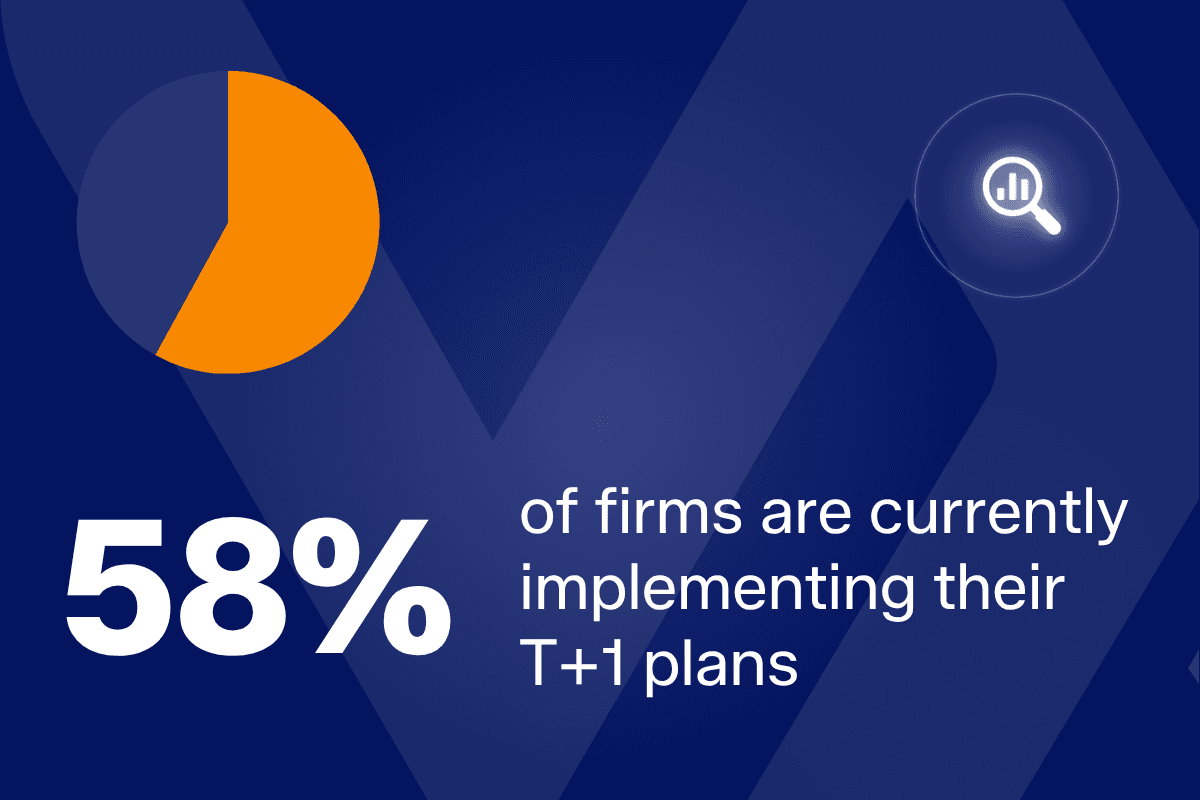
Planning levels have doubled in six months, with 58% now implementing their plans: firms are moving more decisively from preparation into delivery
64% cite counterparty and vendor dependencies as a core concern: third-party readiness remains a major constraint
54% have not yet received guidance from their IT or service providers: many firms are still waiting on critical input from external partners
41% of firms involved in fund share dealing have not yet developed a T+1 plan: readiness remains uneven across parts of the market
Ask the Xchange AI
Have a question about our research? Ask our AI assistant for specific insights.
Create an account to continue
This content is for registered members

Discover More
View All Insights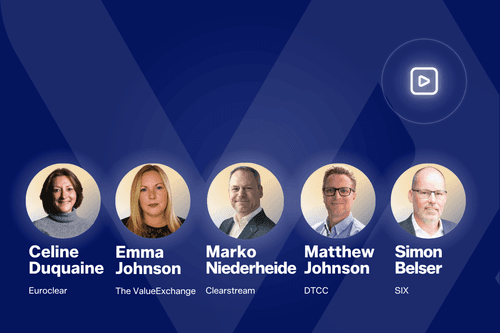
Webinar recording
14 July 2026
How is readiness evolving across the EU, UK and Switzerland as T+1 moves closer?

Xchange brief
14 July 2026
Our conversations this month: DLT deployment, T+1 complacency, AI in regulated institutions, EU market structure, and private markets
Xchange brief
13 July 2026
The Reserve Bank of Australia is ready to launch its first digitally native bond. Why should you pay attention to Australian digital assets?
Key findings
8 July 2026
How are firms using DLT and digital assets in practice in 2026?
Key findings
2 July 2026
How can we ensure people in the industry thrive?