
T+1 in Asia-Pacific in 2025: key findings
How ready is Asia-Pacific for T+1 as 54% of post-trade processing must accelerate?
In Partnership with






SHARE THIS INSIGHT
Asia-Pacific is moving towards T+1 with strong long-term support, but operational pressure is already clear. Based on 244 market participants, these key findings show why 2028 is emerging as the likely transition year and where funding, FX and settlement risk remain highest.
Readiness gap is real
Readiness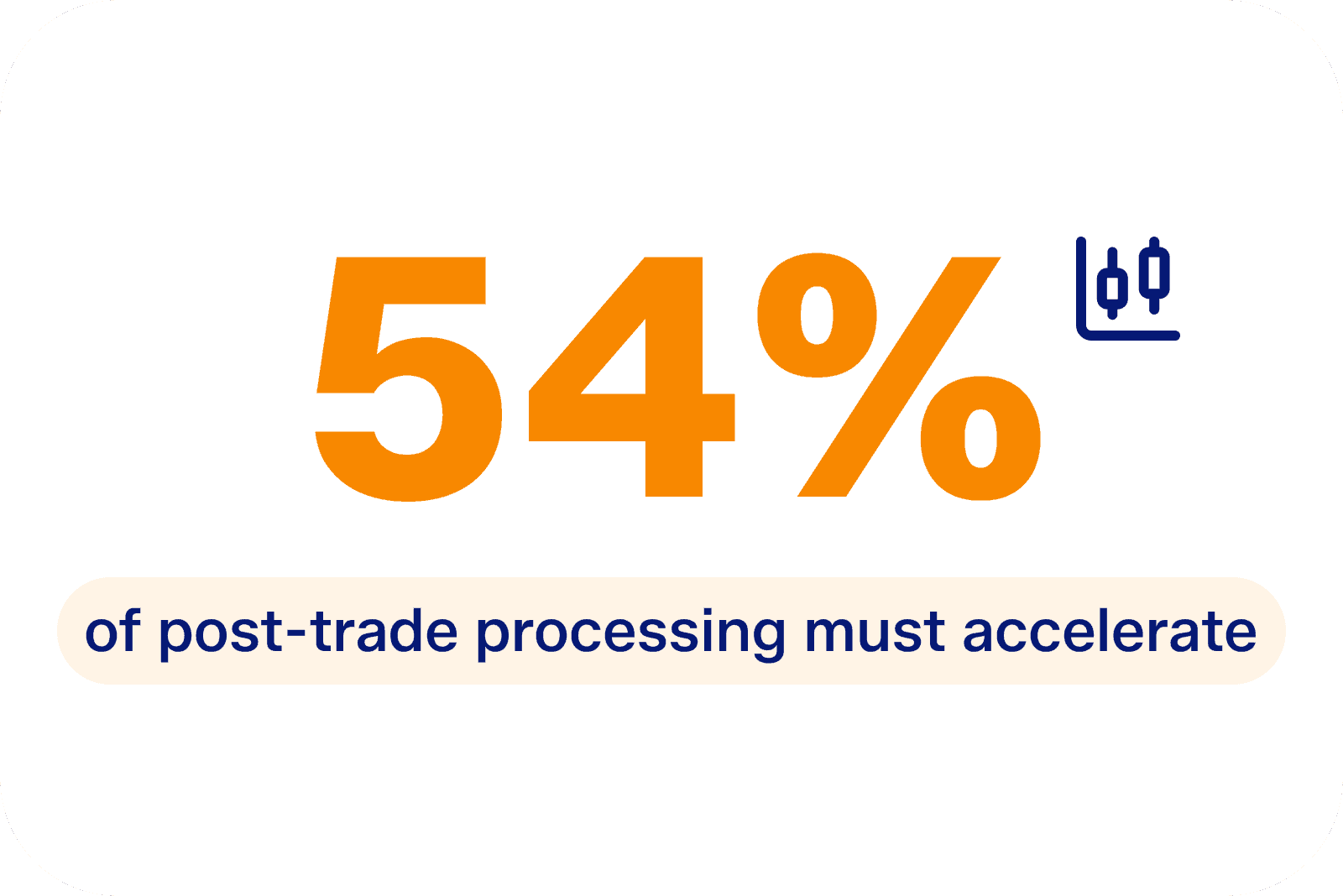
The majority are engaged but engagement and operational readiness are not the same thing.
Around half of North American and European allocations processed by Asian firms would also need to accelerate.
Settlement must accelerate
Risk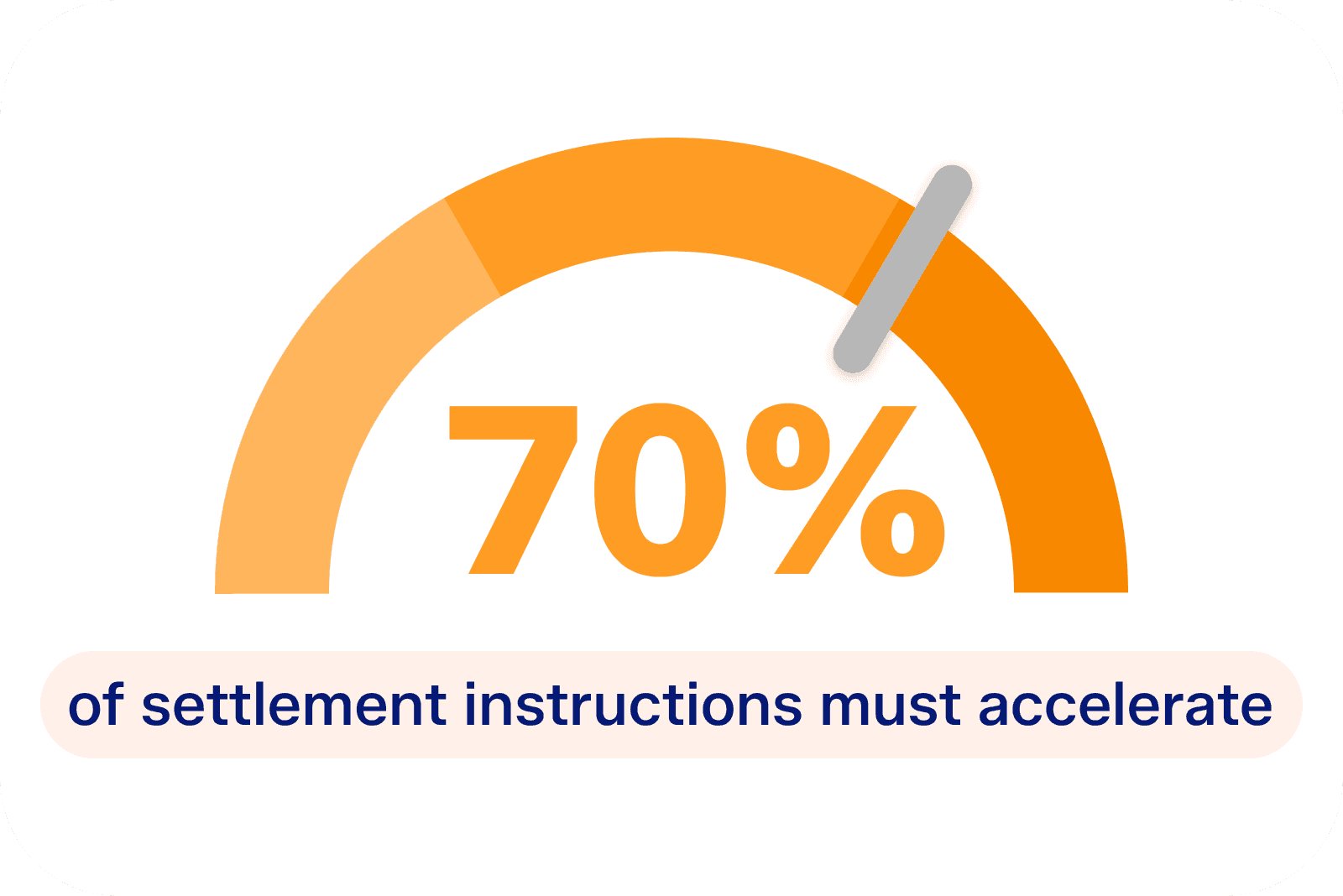
More than half expect to struggle with funding and fails discipline as timelines compress.
Currency movement timing restrictions are seen as the biggest operational risk across regional markets.
FMIs must lead
Outlook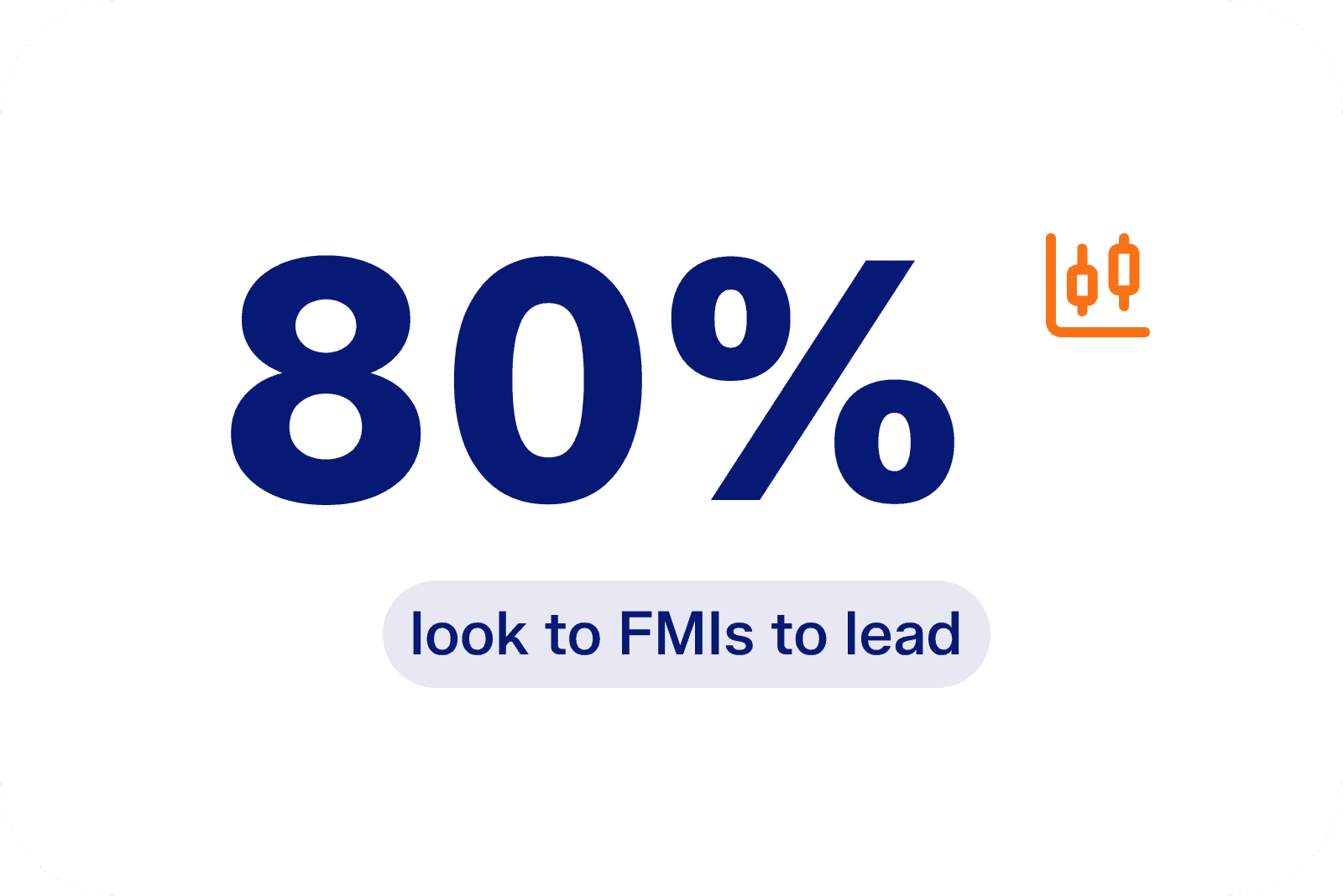
Every foreign investor sees rule alignment across Asia as critical – without it, trade fails and costs will rise.
2028 is emerging as the most realistic transition year given the market structure still to be resolved.
Asia-Pacific sees the long-term case for T+1 clearly, but the path to implementation remains operationally demanding. The data shows a region facing compressed funding windows, settlement discipline pressures and uneven readiness across the post-trade lifecycle.
How much of Asia-Pacific's post-trade model needs to change to support T+1? Where are firms already engaged, and which dependencies across foreign exchange (FX), messaging and market infrastructure still threaten delivery?
The findings are based on input from 244 market participants across the industry and provide a regional view of how firms are preparing for accelerated settlement, where friction remains and what the transition could require in practice.
Produced in partnership with Depository Trust & Clearing Corporation (DTCC), FIS, Nasdaq, Standard Chartered and Society for Worldwide Interbank Financial Telecommunication (SWIFT), the research highlights:
74% of respondents are already working on T+1 in Asia-Pacific, but 54% of post-trade processing will still need to accelerate to comply
70% of settlement instructions must speed up: more than half of respondents expect to struggle with funding and fails discipline as settlement timelines compress
2028 is emerging as the likely transition year: firms see additional time as necessary to address market structure, sequencing and cross-border complexity
80% are looking to financial market infrastructures (FMIs) to lead: market infrastructures are seen as central to driving alignment across messaging standards, FX cycles and settlement timings
Rule alignment remains critical: all foreign investors surveyed see harmonised rules across Asia as essential to reducing trade fails and operational friction
Ask the Xchange AI
Have a question about our research? Ask our AI assistant for specific insights.
Authentication Required
You need to be logged in to access this content. Please sign in to continue.
You need to be logged in to access this content.

![Webinar Recording 1 [Soft Launch]](/_next/image?url=https%3A%2F%2Fvaluexchange.s3.us-east-1.amazonaws.com%2Fsmall_thumbnail_dummy_Dashboard.png&w=3840&q=75)