
Creating Asia’s post-trade operating model of tomorrow: report
How modernisation and standardisation could reshape Asia’s post-trade operating model.
In Partnership with


Asian markets offer clear growth potential, but post-trade fragmentation continues to limit scale and efficiency. This report examines the barriers global investors face, the impact of legacy systems and where regional harmonisation could unlock stronger market access and lower operational cost.
Asia growth appetite
Growth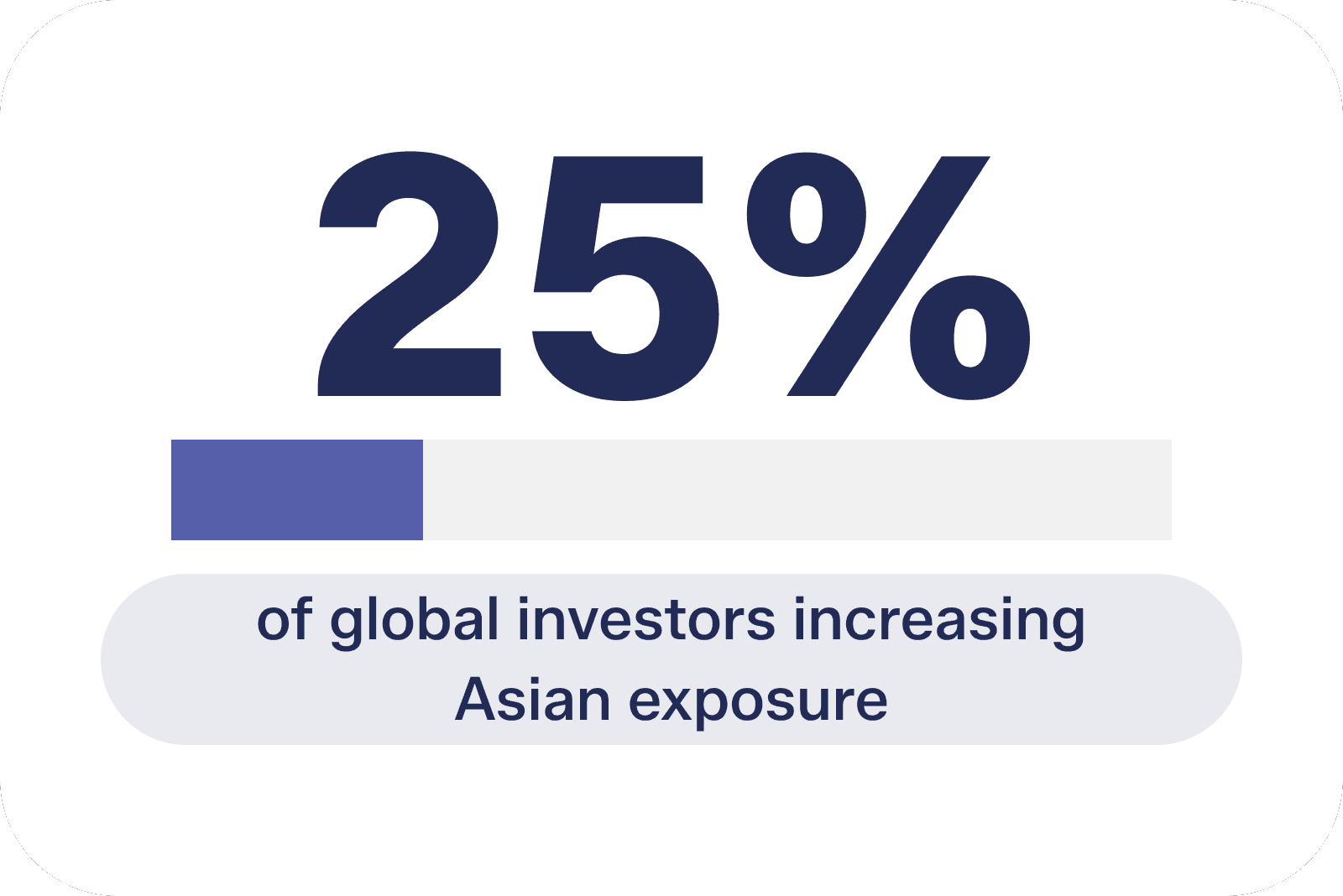
Growth is expected across both developed and emerging markets — with developed countries attracting more investors and emerging ones gaining assets under management.
The growth expectation is broad-based, but the operational and regulatory conditions to support it are not yet consistently in place.
Artificial trading limits
Risk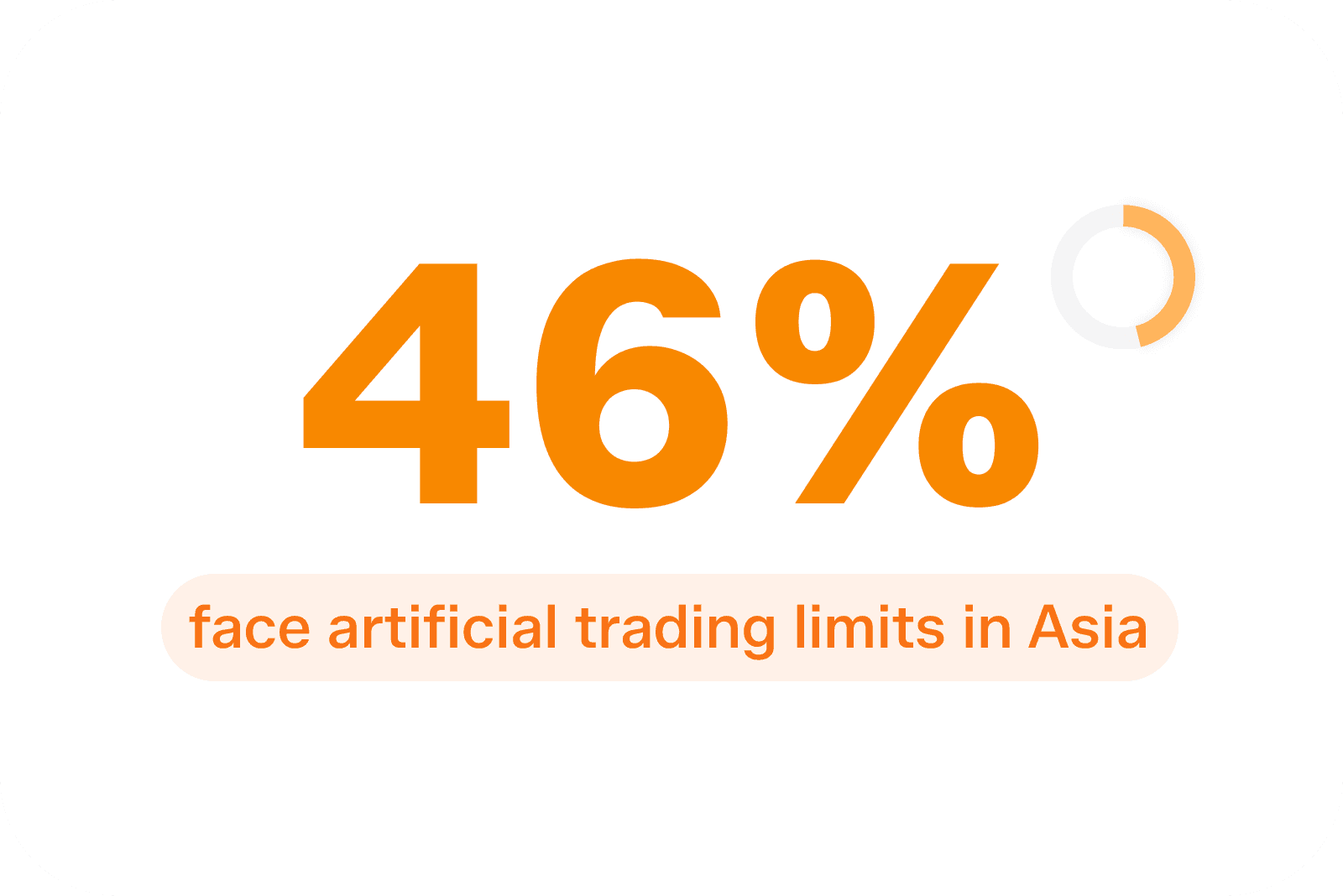
Market structure and regulatory issues are weighing heavily on global investors — particularly in emerging Asian markets where constraints are most acute.
Artificial trading limits are a direct barrier to capital flows, and resolving them would unlock a meaningful share of unmet growth potential.
Asia legacy systems
Technology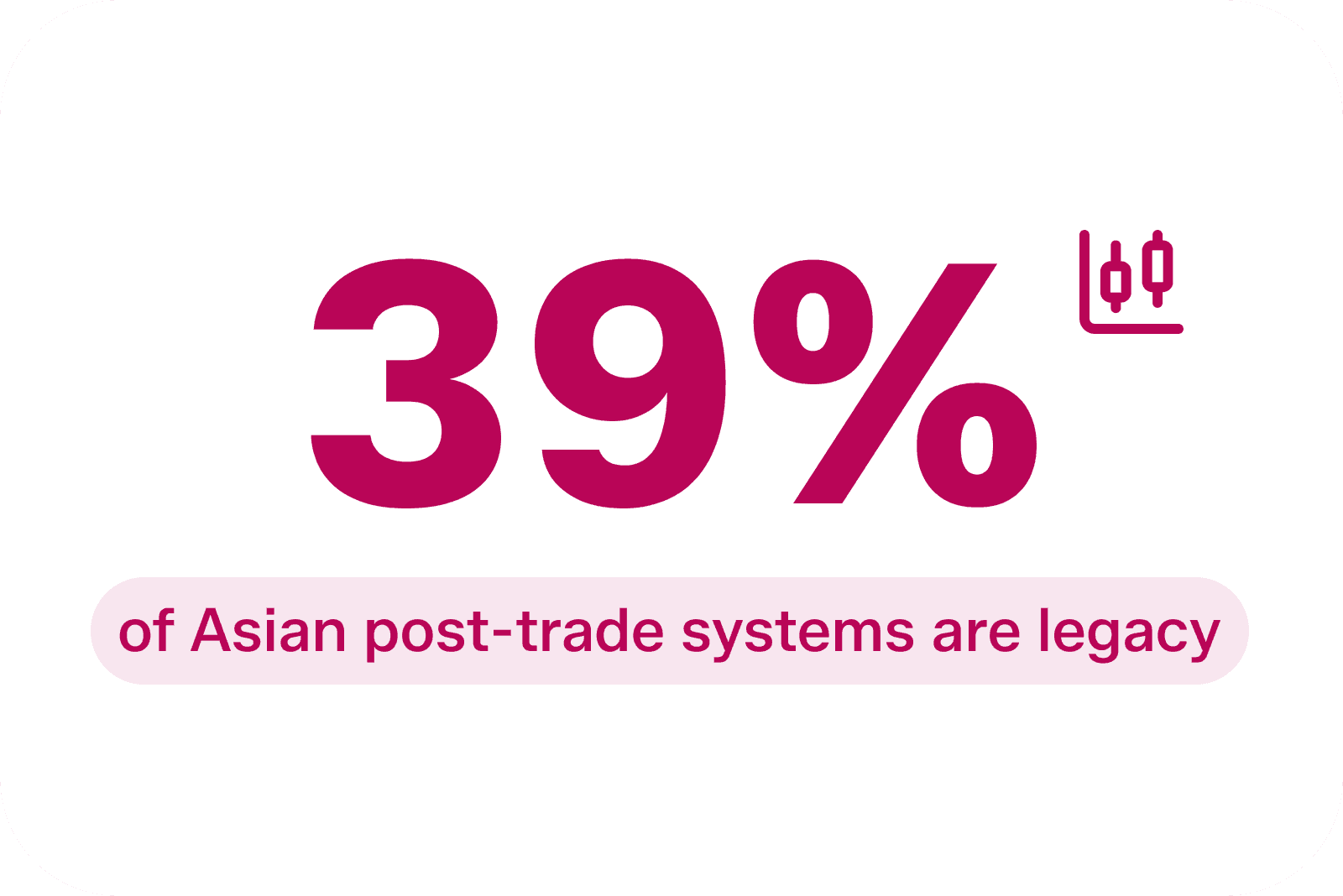
Registry and asset servicing platforms are posing the biggest obstacles to change, with shareholder registry and custody both carrying significant legacy exposure.
Settlement systems add a further layer of structural constraint, making the technology challenge broad rather than isolated.
Asia's post-trade model is under growing pressure as investor appetite increases but infrastructure, regulation and operational design remain uneven across the region. Growth is available, yet fragmentation, manual processing and legacy platforms continue to restrict access and constrain scalability.
What is holding back post-trade growth in Asia? How much could regional modernisation and standardisation improve market access, efficiency and investor participation?
The report draws on insights from 380 market participants across six Asian markets to examine how the region can modernise and harmonise its post-trade environment. It looks at investor growth expectations, the operational and regulatory barriers limiting activity and the role of standardisation in settlements and corporate actions.
The research, produced in partnership with Nasdaq, highlights:
25% of global respondents plan to increase their exposure to the Asian markets covered by the study
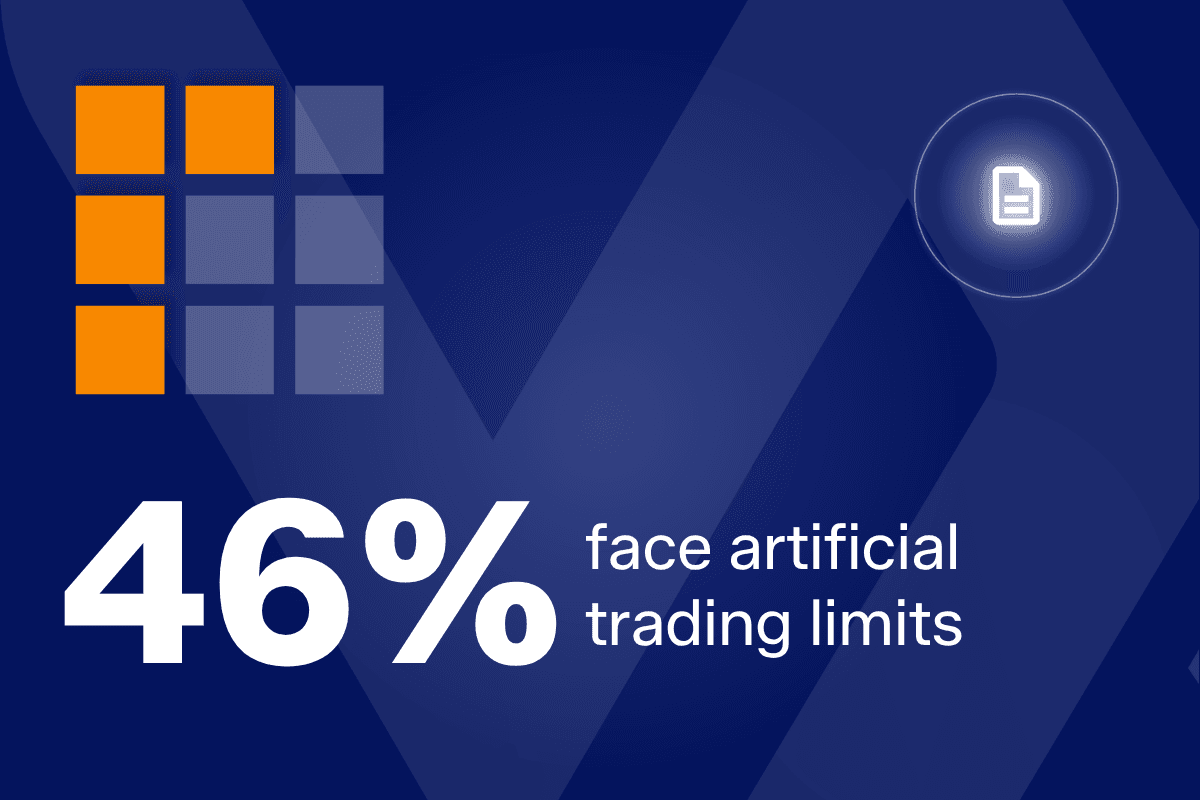
46% face artificial trading limits: regulatory and market structure issues continue to restrict investors' ability to trade, particularly in emerging markets
39% of systems are legacy platforms: older post-trade infrastructure remains a major obstacle, especially across registry and asset servicing environments
32% see value in harmonisation: respondents believe regional standardisation could generate meaningful operational savings
10%+ efficiency gains possible: standardisation in settlements and corporate actions could deliver material improvements in cost and process efficiency
Ask the Xchange AI
Have a question about our research? Ask our AI assistant for specific insights.
Authentication Required
You need to be logged in to access this content. Please sign in to continue.
You need to be logged in to access this content.
SHARE THIS INSIGHT

![Webinar Recording 1 [Soft Launch]](/_next/image?url=https%3A%2F%2Fvaluexchange.s3.us-east-1.amazonaws.com%2Fsmall_thumbnail_dummy_Dashboard.png&w=3840&q=75)