
Investment accounting transformation: key findings
Where product complexity, NAV resilience and platform fragmentation are reshaping investment accounting.
In Partnership with


Content Types
Topics
SHARE THIS INSIGHT
Sponsored by FIS®, these key findings show that T+1 dealing cycles are now a leading concern for NAV resilience, while firms are increasing focus on contingent delivery models, accelerated production and the cost of operational change.
Growth is shifting away from equities
Product mix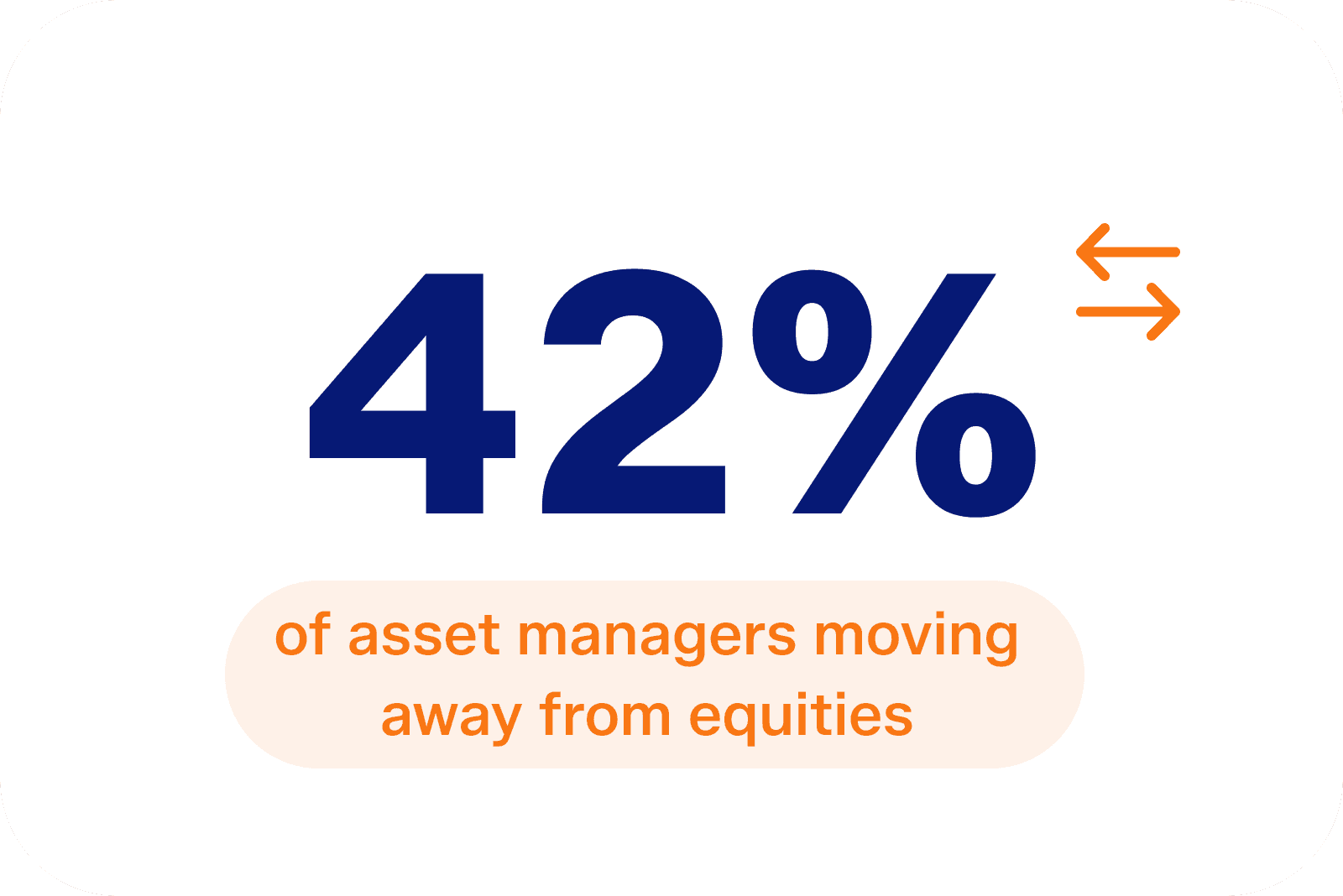
Growth is moving into more complex products, changing the pressure profile for investment accounting.
Firms are shifting towards private credit, project finance, cryptocurrencies and structured products in search of alpha.
NAV pressure is building
Valuation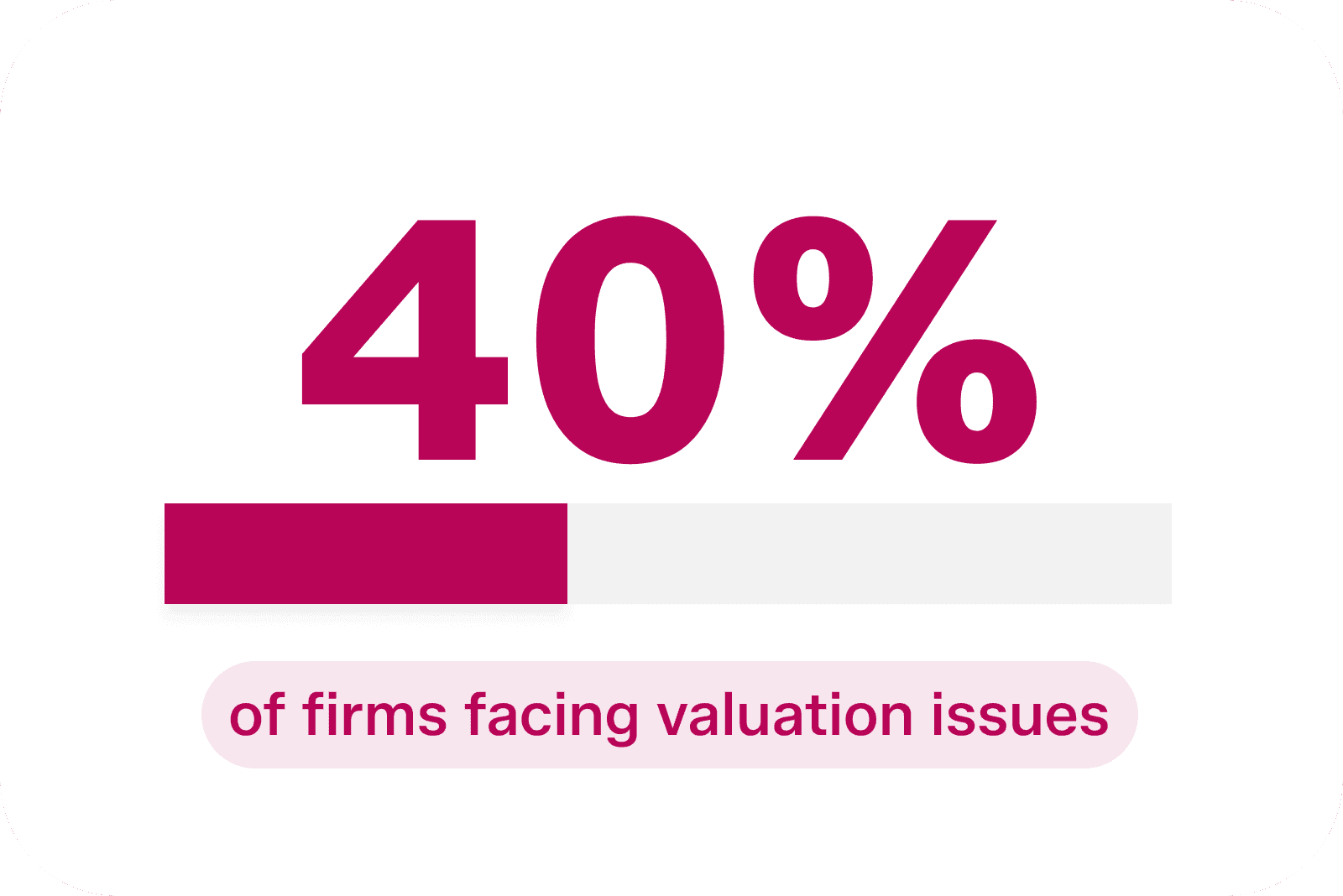
Fund valuation is becoming more difficult exactly where growth is strongest.
52% also say NAV issues are now affecting commercial distribution relationships.
Fragmentation remains widespread
Platforms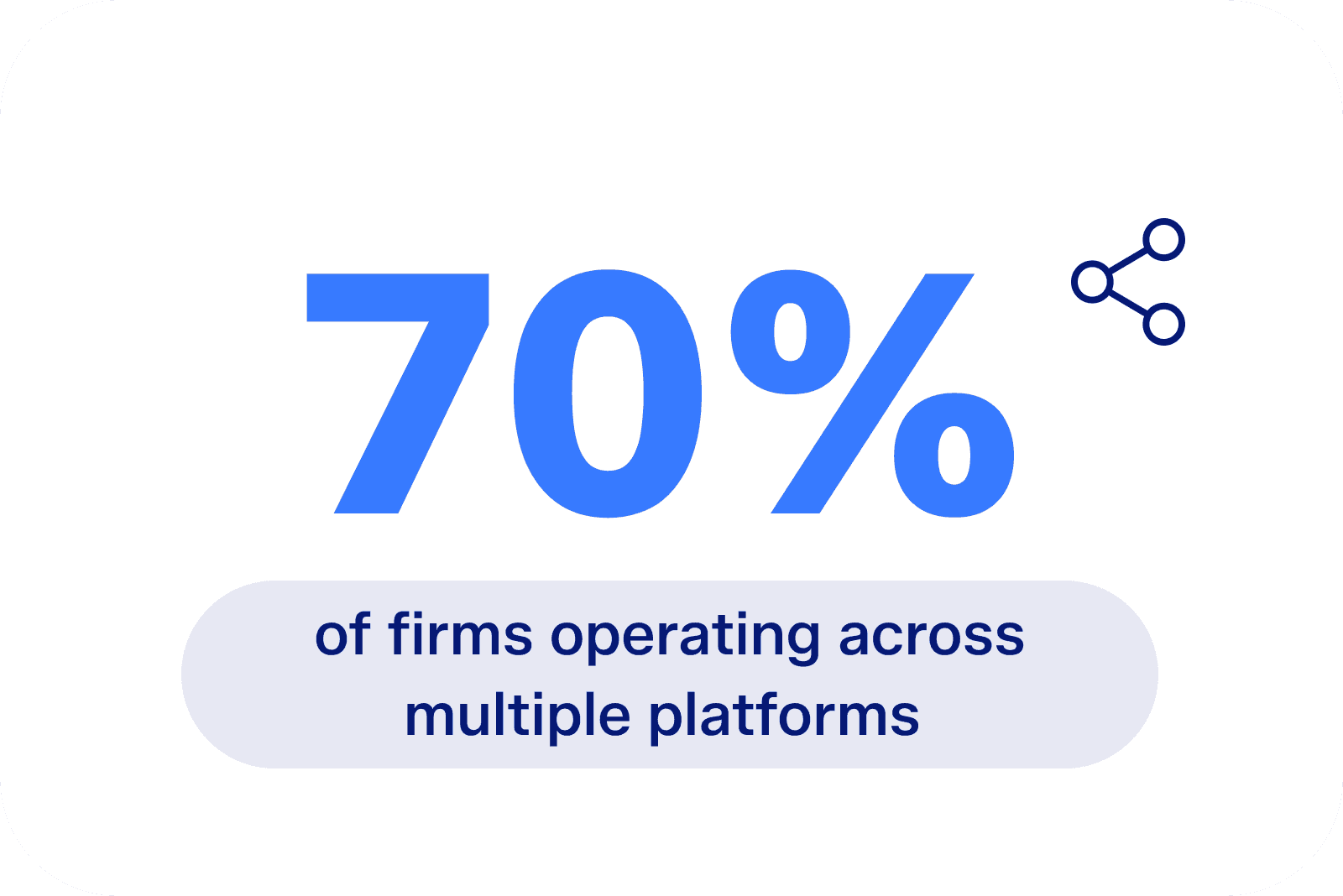
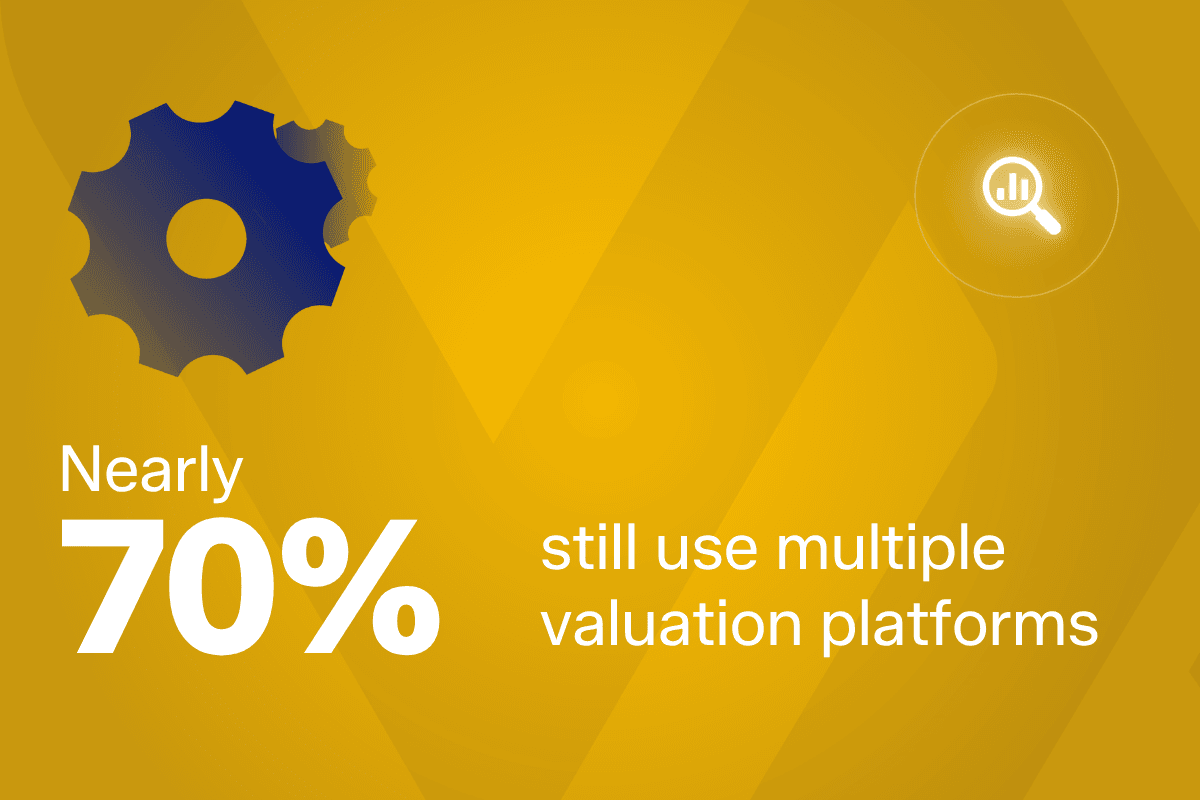
Platform fragmentation remains a structural issue at the point where firms need more control, not less.
86% expect to accelerate NAV production by 2028, increasing pressure on already fragmented models.
Investment accounting is coming under pressure from several directions at once. Product growth is shifting into more complex markets, dealing and settlement cycles are tightening, and expectations around NAV resilience are becoming harder to absorb with fragmented platforms and manual workarounds.
Where are the biggest pressure points in investment accounting today? How are firms responding as valuation complexity, platform fragmentation and commercial pressure on NAV production continue to build?
These key findings, developed with FIS®, draw on industry responses on product and asset class change, valuation pressure, fragmented platforms, tighter operating expectations and operating model redesign. They provide a clearer view of where pressure is building and where structural change is already under way.
The research highlights:
T+1 dealing cycles are the #1 threat to NAV resilience in 2026 for 64% of firms.
48% of firms are now ready to invest in a contingent NAV provider.
86% of firms expect to accelerate their NAV production by 2028.
NAV-related spend now makes up 3.5 basis points in the fund TER.
Ask the Xchange AI
Have a question about our research? Ask our AI assistant for specific insights.
Keep reading — it's free
Verify your email to read this content

Discover More
View All Insights
Key findings
15 July 2026
How ready is Europe for a critical year in the transition to T+1?

Webinar recording
14 July 2026
How is readiness evolving across the EU, UK and Switzerland as T+1 moves closer?

Xchange brief
14 July 2026
Our conversations this month: DLT deployment, T+1 complacency, AI in regulated institutions, EU market structure, and private markets
Xchange brief
13 July 2026
The Reserve Bank of Australia is ready to launch its first digitally native bond. Why should you pay attention to Australian digital assets?
Key findings
8 July 2026
How are firms using DLT and digital assets in practice in 2026?