
The case for collateral tokenisation: key findings
Why, where and how are firms working on tokenised collateral today?

In Partnership with





Content Types
Region
Tags
SHARE THIS INSIGHT
Collateral tokenisation is moving from concept to implementation. Firms are quantifying its impact on costs, liquidity and operational efficiency. These key findings show where collateral friction is most expensive today, why mobility matters more than ever, and how firms are preparing to go live by 2026.
Collateral under management
Scale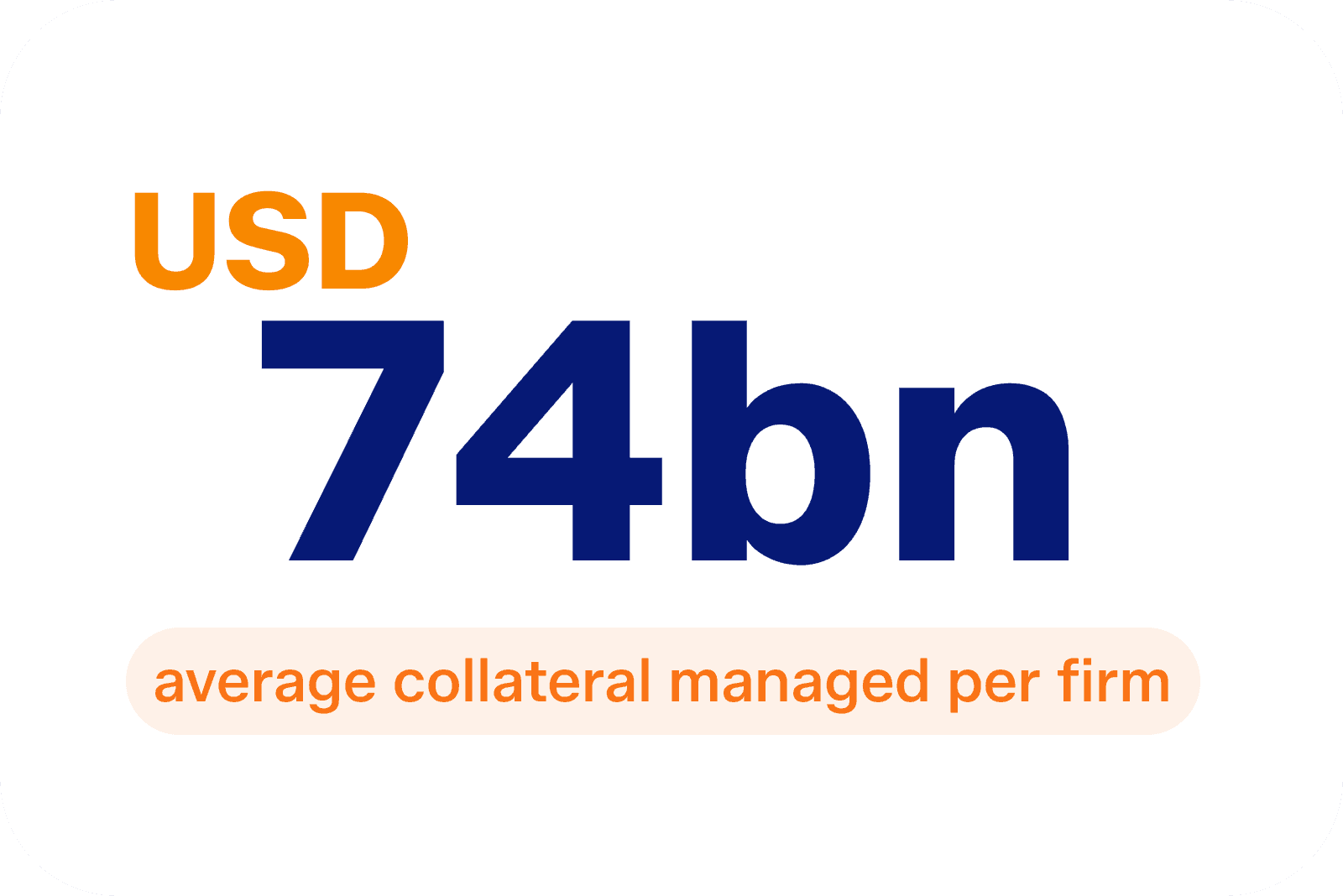
One in four firms is either excess or unremunerated overnight – creating avoidable drag on treasury performance.
With a large proportion sitting idle or unremunerated overnight, the efficiency gains from optimisation are substantial.
Operational trade costs
Cost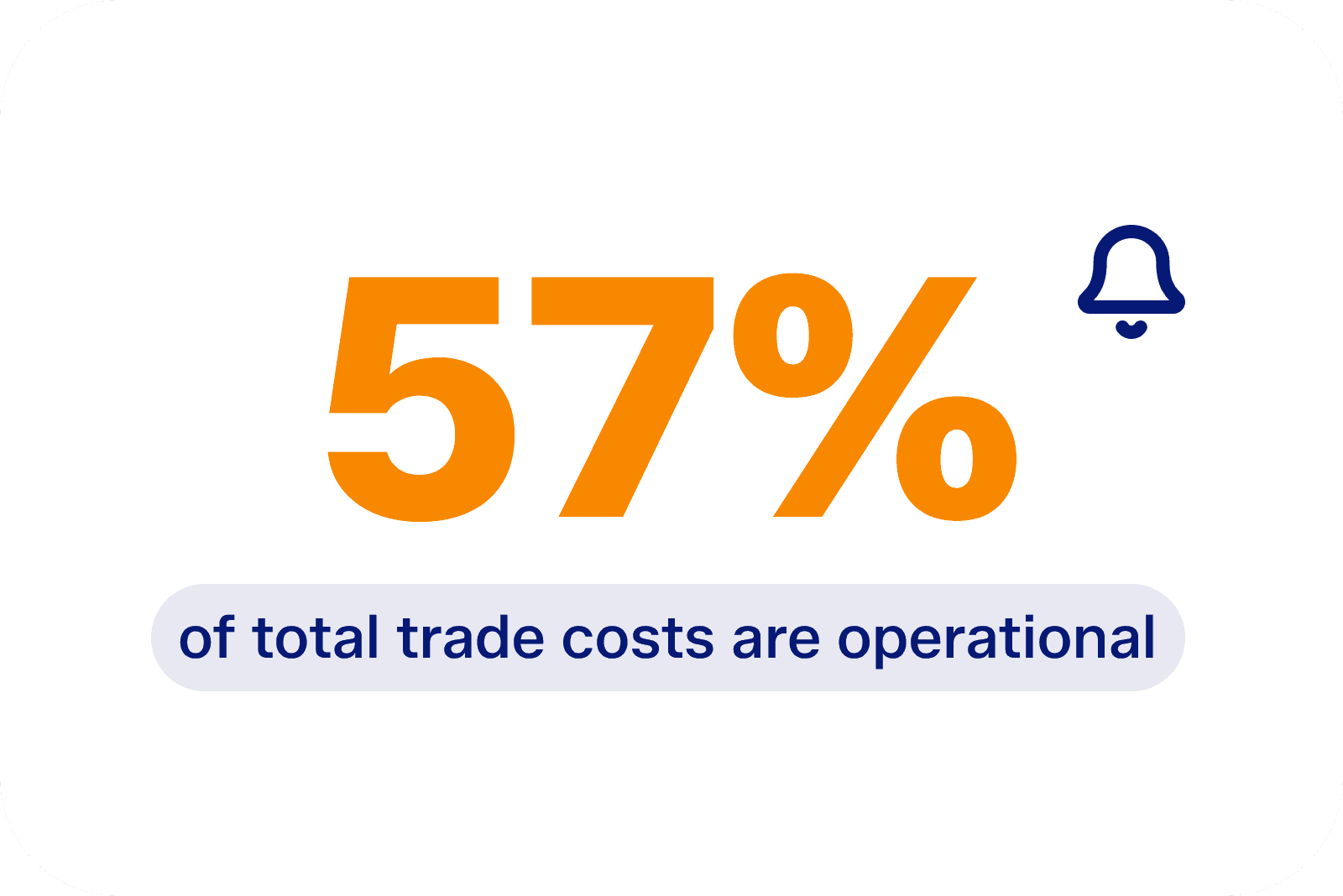
Operational cost is not just a back-office issue – it constrains what firms can do with their capital.
This applies across both OTC derivatives and securities financing transactions.
Tokenisation confidence high
Innovation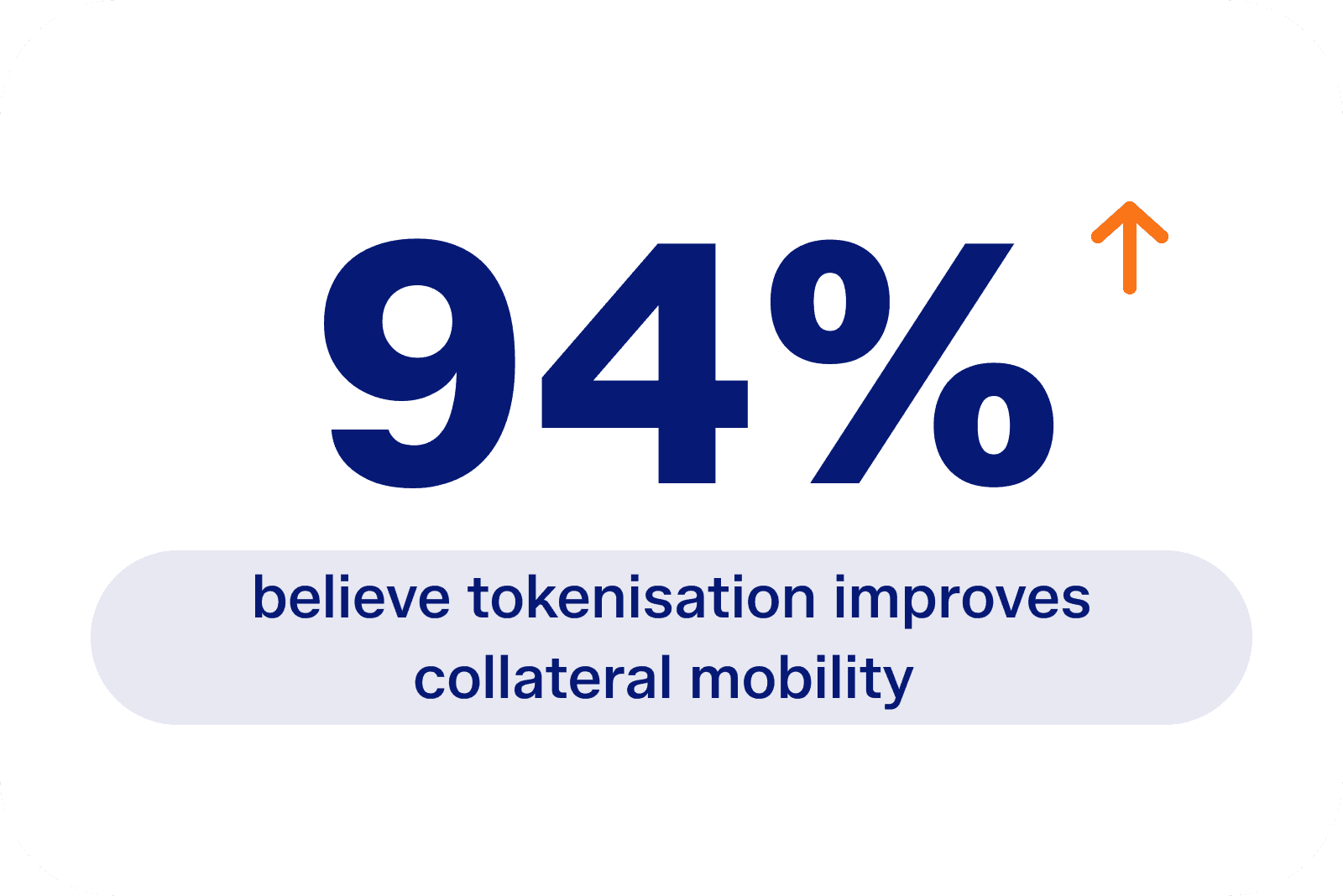
The benefits extend across the trade cycle, including a meaningful reduction in settlement fails.
Adoption will depend on legal certainty, regulatory clarity and broader ecosystem readiness.
Collateral processes remain operationally heavy, costly and harder to optimise than many firms can afford. Tokenisation is now being assessed as a practical response to liquidity drag, over-posting and restricted collateral mobility.
How much value is currently trapped by slow collateral movement, manual processing and excess margin? Where are firms seeing the clearest case for tokenisation as operational pressure and funding costs continue to rise?
The findings explore how firms are managing collateral across repo, derivatives, treasury and related functions. It focuses on current inefficiencies, expected benefits and implementation readiness.
The research, sponsored by Nasdaq, and produced in partnership with International Securities Lending Association (ISLA), International Swaps and Derivatives Association (ISDA) and International Securities Services Association (ISSA), highlights:
The average firm is managing up to US dollar (USD) 74 billion in collateral across activities. The scale of assets affected by inefficient mobilisation is clear
Operational processes account for up to 57% of total trade costs today
25% trapped or unremunerated collateral: a quarter of collateral is either excess or not remunerated overnight
Tokenisation could reduce fails by more than 13%, improving mobilisation and lowering unnecessary over-posting
94% of firms believe tokenisation will materially improve collateral mobility
52% of firms expect to go live with tokenised collateral by 2026
Ask the Xchange AI
Have a question about our research? Ask our AI assistant for specific insights.
Keep reading — it's free
Verify your email to read this content

Discover More
View All Insights
Key findings
15 July 2026
How ready is Europe for a critical year in the transition to T+1?

Webinar recording
14 July 2026
How is readiness evolving across the EU, UK and Switzerland as T+1 moves closer?

Xchange brief
14 July 2026
Our conversations this month: DLT deployment, T+1 complacency, AI in regulated institutions, EU market structure, and private markets
Xchange brief
13 July 2026
The Reserve Bank of Australia is ready to launch its first digitally native bond. Why should you pay attention to Australian digital assets?
Key findings
8 July 2026
How are firms using DLT and digital assets in practice in 2026?