
Custody in Europe: a gateway to new efficiencies
How firms should approach custody model choice across Europe’s fragmented post-trade landscape.
In Partnership with


Europe’s custody landscape remains highly fragmented, with 41 CSDs across 36 countries still shaping access, cost and operating design. Developed in partnership with BNP Paribas, this report compares the three main custody access models and examines how each affects cost, complexity and control.
Europe remains fragmented
Market structure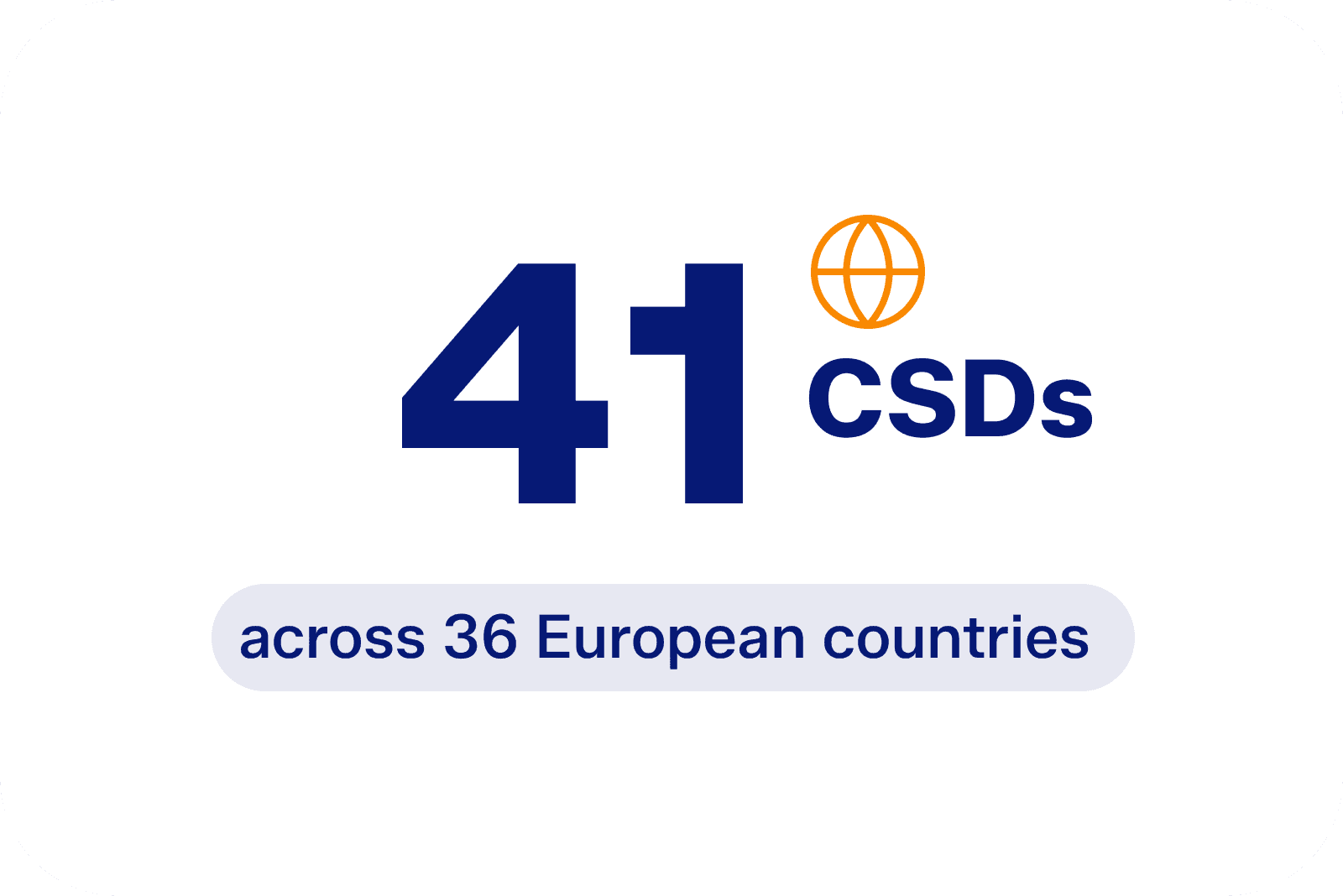
Europe’s post-trade structure remains highly fragmented, with national infrastructures and legal regimes still shaping how the market operates.
This creates operational friction, weakens integration and increases the complexity of cross-border settlement.
Credit lines carry cost
Capital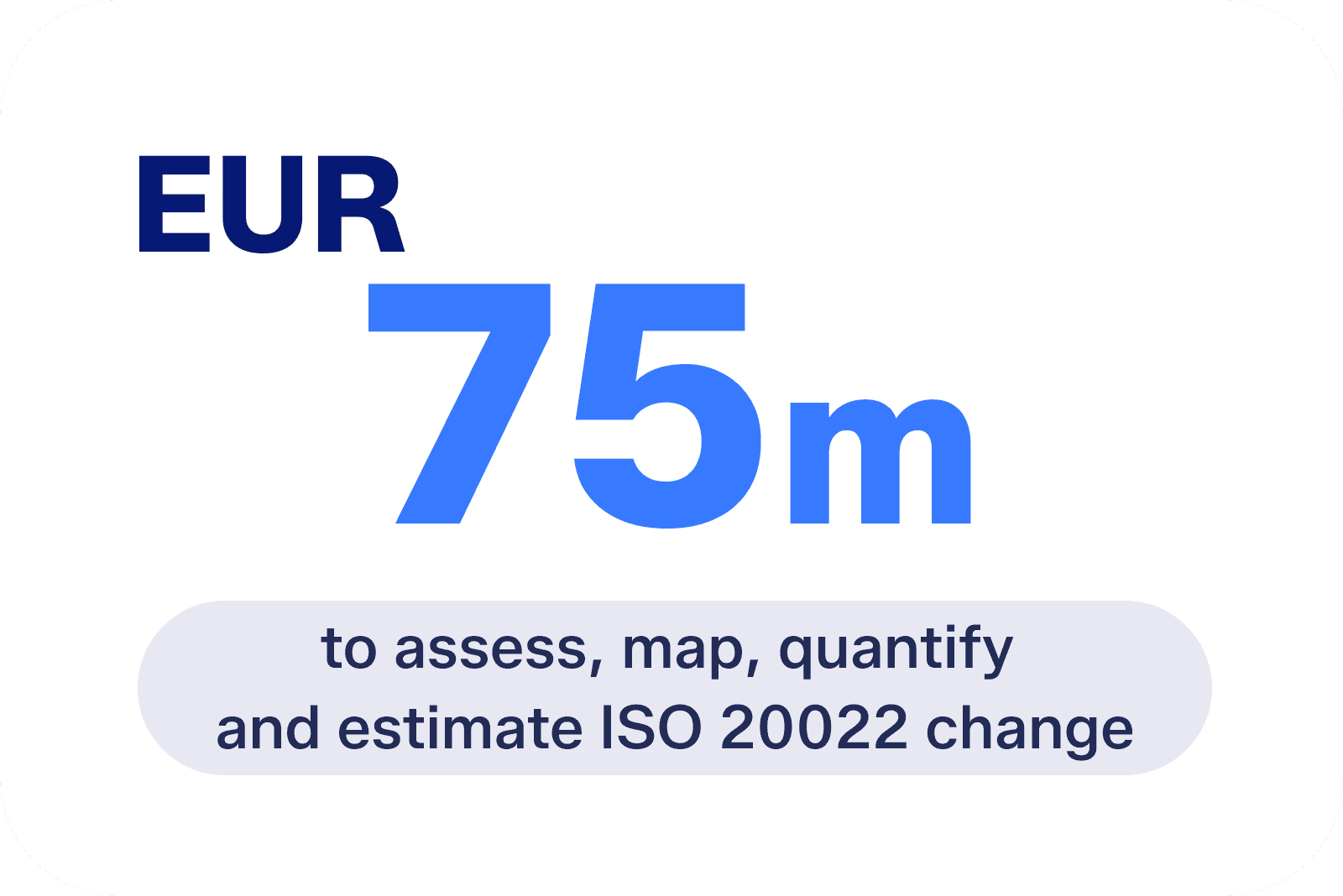
Under Basel III, even unused liquidity capacity is no longer free.
The 5% NSFR treatment on undrawn intraday credit lines is creating a measurable capital drag for tier-one firms.
Fewer fails lower penalties
Efficiency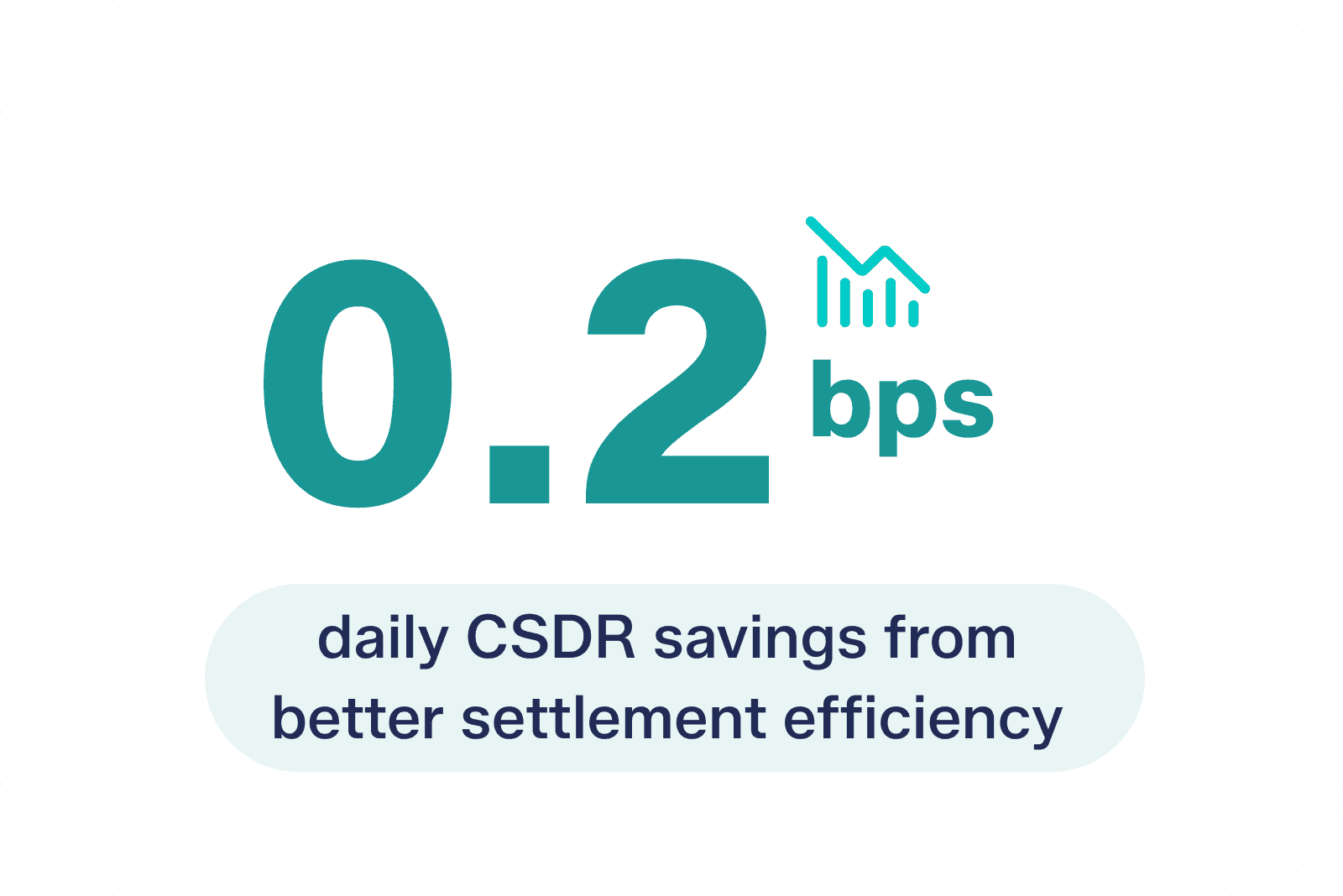
Settlement efficiency has a direct economic value when penalty exposure is reduced.
Agent-bank intervention that cuts fail rates by 20% can generate around 0.2 basis points in daily CSDR savings.
Custody model choice in Europe is about more than market access. In a region that still spans 41 CSDs across 36 countries, firms need to assess how access structure affects cost, resilience and long-term operating efficiency.
How should firms approach custody model choice across Europe? What trade-offs emerge between agent bank, investor CSD and ICSD models as post-trade pressures continue to evolve?
The report compares the three main access models and examines how each one affects cost, complexity and control across Europe’s fragmented post-trade landscape. It looks at where settlement inefficiency, capital drag and tax complexity still create friction, and what firms need to consider as T+1, digital assets and regulatory change reshape market infrastructure.
The research, developed in partnership with BNP Paribas, highlights:
How the three main custody models differ in practice: Agent Bank, Investor CSD and ICSD structures each create different trade-offs across access, control and resilience
Where fragmentation still creates friction: settlement inefficiency, capital drag and tax complexity continue to shape the total cost of regional custody
Why total cost of ownership matters: model choice affects not only direct cost, but also the wider operating structure behind regional access
What future market change means for custody strategy: firms need to assess how T+1, digital assets and regulatory developments may alter model suitability over time
Why custody architecture is becoming more strategic: for firms reassessing regional access, operating model choice is increasingly tied to efficiency, resilience and long-term post-trade design
Ask the Xchange AI
Have a question about our research? Ask our AI assistant for specific insights.
Keep reading — it's free
Verify your email to read this content
SHARE THIS INSIGHT

Discover More
View All Insights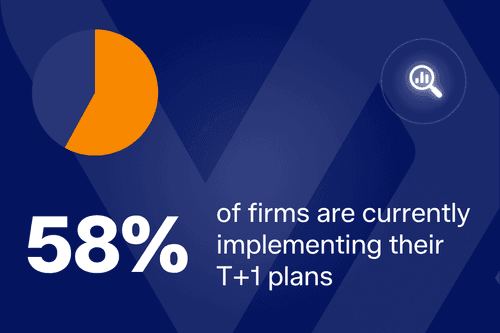
Key findings
15 July 2026
How ready is Europe for a critical year in the transition to T+1?
Webinar recording
14 July 2026
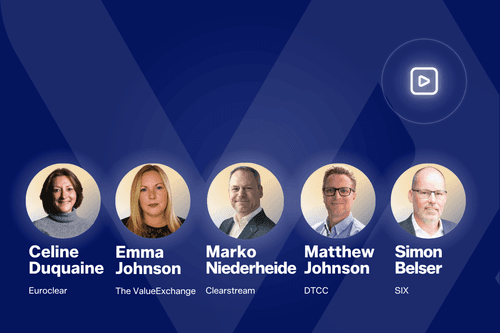
How is readiness evolving across the EU, UK and Switzerland as T+1 moves closer?

Xchange brief
14 July 2026
Our conversations this month: DLT deployment, T+1 complacency, AI in regulated institutions, EU market structure, and private markets
Xchange brief
13 July 2026
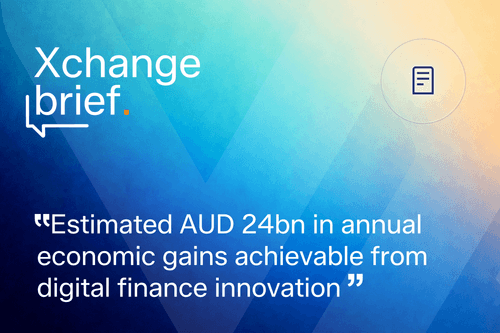
The Reserve Bank of Australia is ready to launch its first digitally native bond. Why should you pay attention to Australian digital assets?
Key findings
8 July 2026
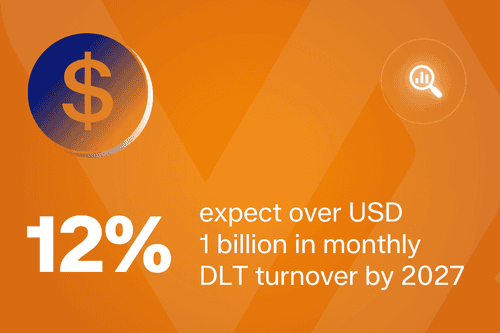
How are firms using DLT and digital assets in practice in 2026?