ISO 20022 Enabling holistic change across asset servicing: whitepaper
The path to ISO 20022-led change across asset servicing.
In Partnership with


Part four of the series examines how firms can justify holistic operating model change across asset servicing. It explores what ISO 20022 enables in control, automation and data lineage, and how firms can assess benefits, costs and adoption pathways more realistically.
ISO 20022 adoption gap
Technology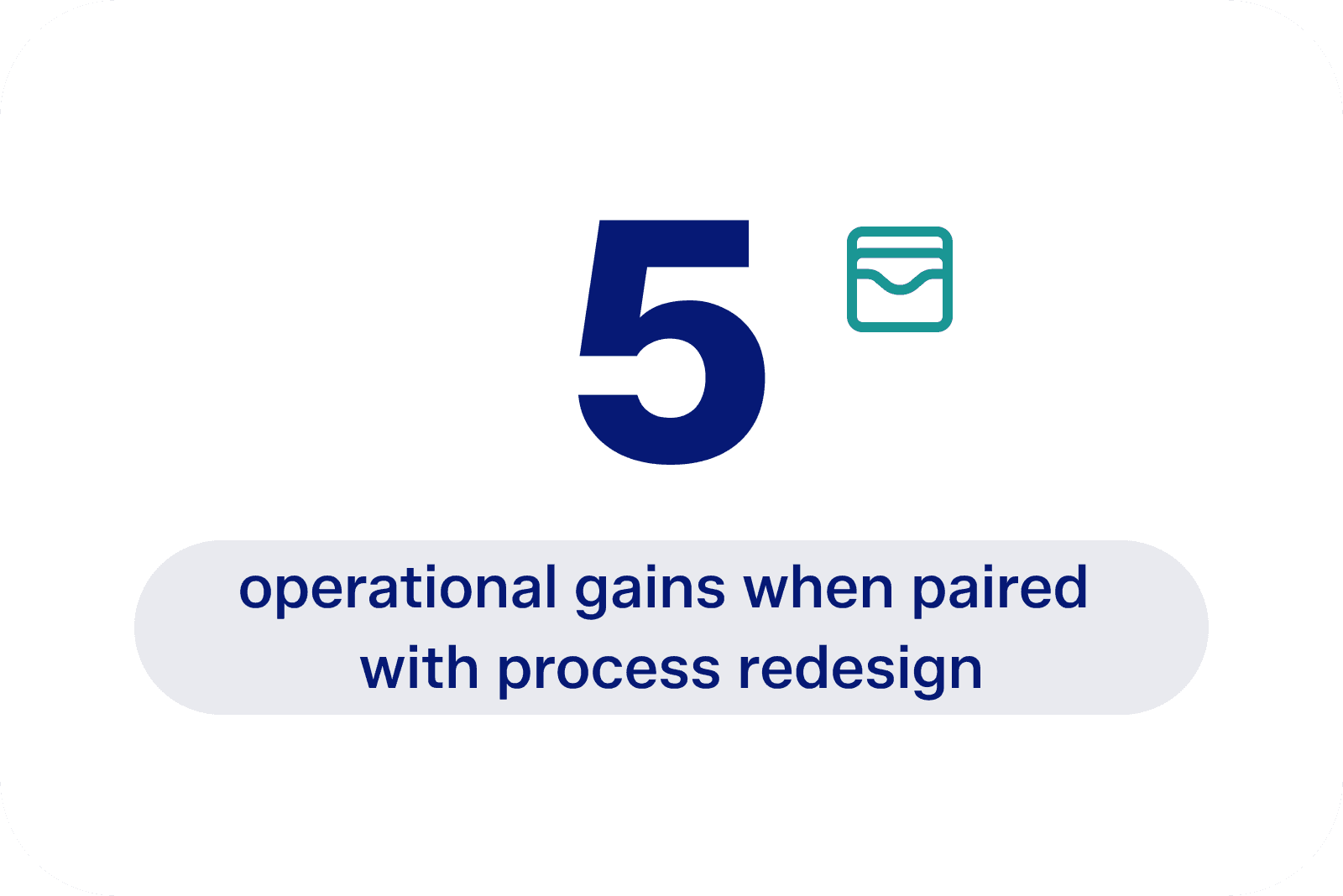
ISO 20022 enables orchestration, not just messaging — and the gains compound when the underlying process is redesigned alongside it.
At current adoption rates, the benefits of ISO 20022 standardisation will remain theoretical for most of the market.
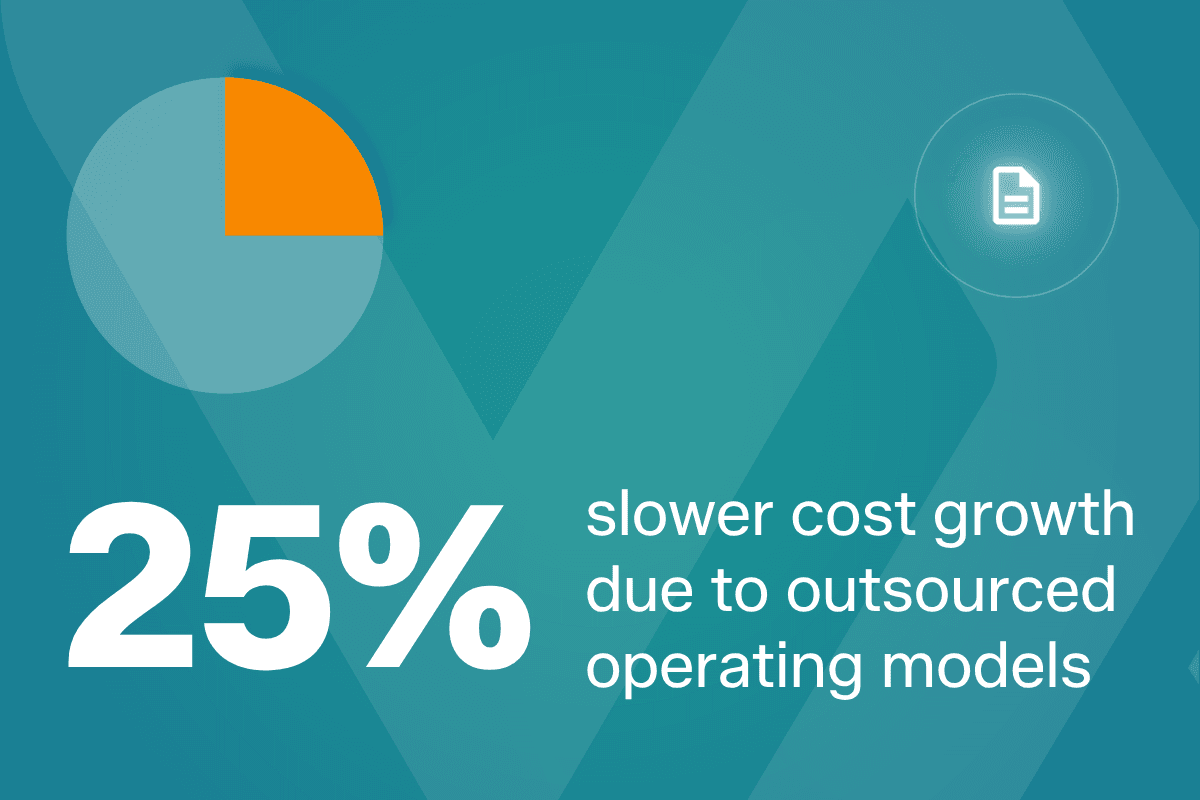
Annual inefficiency cost
Cost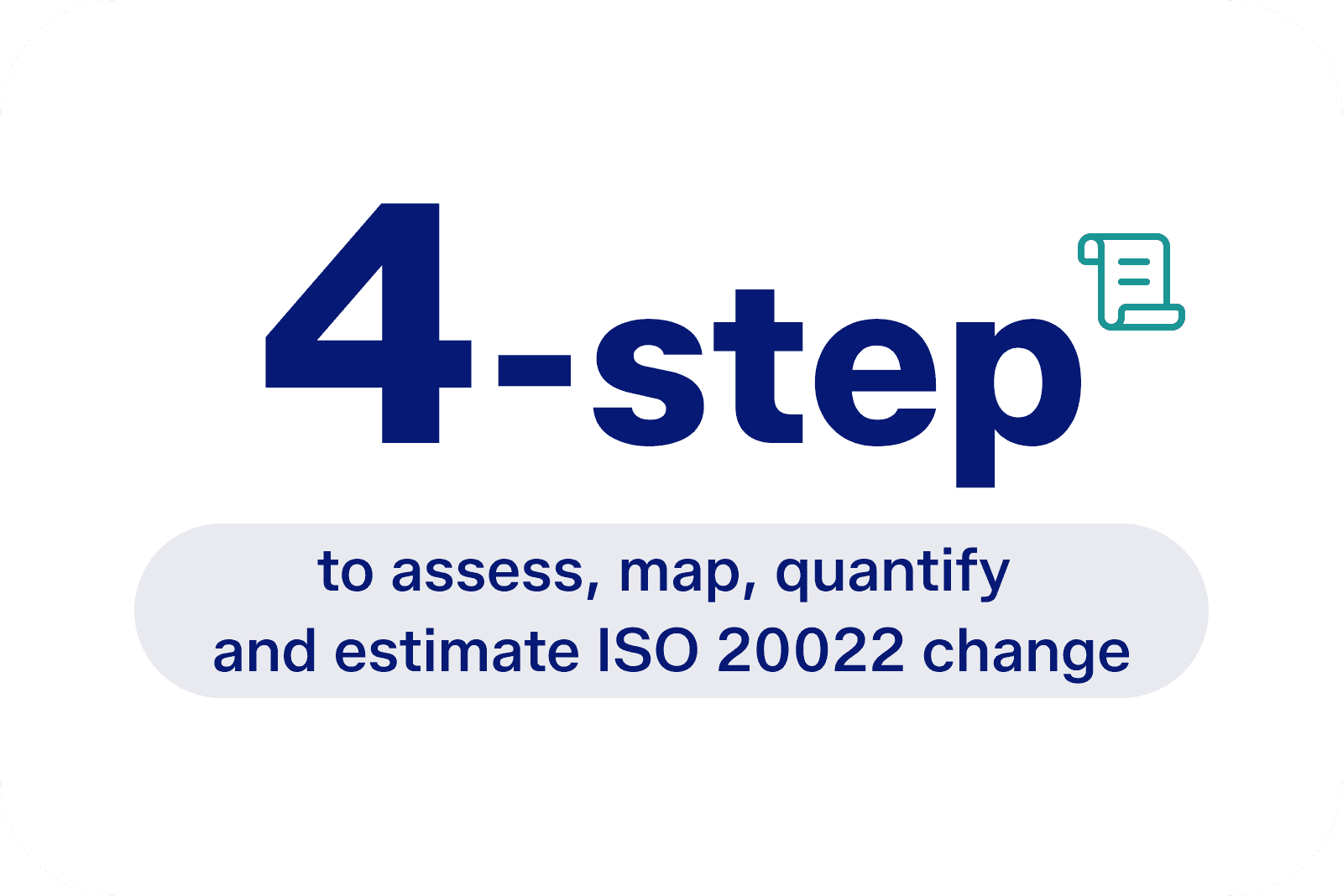
The framework links lifecycle pain points to operational benefits, implementation cost and coexistence impact.
Standardisation through ISO 20022 could address a meaningful share of this cost without requiring firms to rebuild from scratch.
Standardisation reduces errors
Efficiency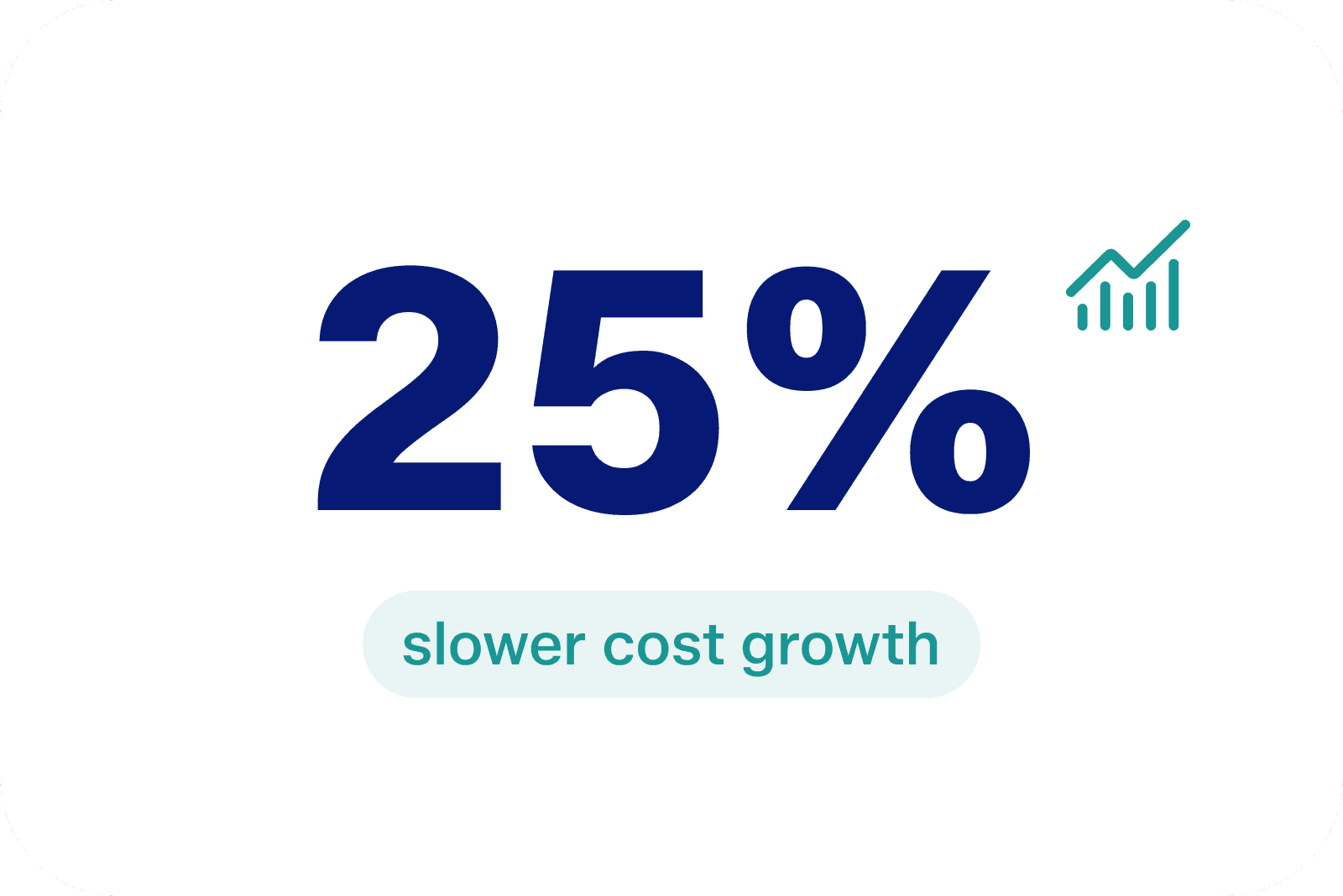
The value of ISO 20022 extends into resilience, transparency and long-term scalability — not just efficiency.
The gains are available now — the barrier is adoption pace, not technology readiness.
Asset servicing has reached a point where rising volumes, tighter timelines and greater regulatory expectations can no longer be managed through incremental change alone. Firms are being pushed to reassess how they justify transformation, sequence investment and build more scalable operating models.
How should firms assess the real value of ISO 20022 beyond messaging change? What does a practical business case look like when transformation must balance cost, coexistence and long-term operational resilience?
Part four of the series examines how to build the business case for broader asset servicing transformation with ISO 20022 and message interoperability as the foundation. It shows what ISO 20022 unlocks operationally, how firms can quantify the impact of change and why a phased adoption model is critical to realistic execution.
The research, produced in partnership with SmartStream Technologies, highlights:
ISO 20022 supports structured data, status-driven workflows, fewer translation loops, stronger auditability and improved resilience when paired with process redesign
The paper sets out a practical framework to assess current pain points, map benefits, quantify impact and estimate implementation cost
The case for ISO 20022 extends into regulatory alignment, cross-product consistency, improved client transparency, lower dependency on local knowledge and greater long-term scalability
ISO 20022 is positioned not as the end state, but as the infrastructure layer that enables broader operating model transformation
Ask the Xchange AI
Have a question about our research? Ask our AI assistant for specific insights.
Keep reading — it's free
Verify your email to read this content
SHARE THIS INSIGHT

Discover More
View All Insights
Key findings
15 July 2026
How ready is Europe for a critical year in the transition to T+1?

Webinar recording
14 July 2026
How is readiness evolving across the EU, UK and Switzerland as T+1 moves closer?
Xchange brief
14 July 2026
Our conversations this month: DLT deployment, T+1 complacency, AI in regulated institutions, EU market structure, and private markets
Xchange brief
13 July 2026
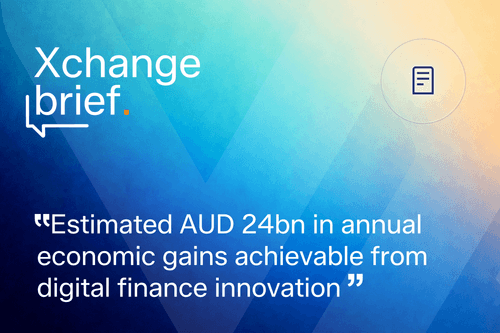
The Reserve Bank of Australia is ready to launch its first digitally native bond. Why should you pay attention to Australian digital assets?
Key findings
8 July 2026
How are firms using DLT and digital assets in practice in 2026?