
Navigating the future of inheritance: whitepaper
The scale, complexity and urgency of the coming wealth transfer in the Middle East.
In Partnership with


A major inheritance shift is approaching across the Middle East, with significant implications for wealth managers, financial institutions and policymakers. This whitepaper examines the scale of the transfer, the operational and legal barriers slowing succession and the role of technology and regulation in improving outcomes.
Planning reluctance
Risk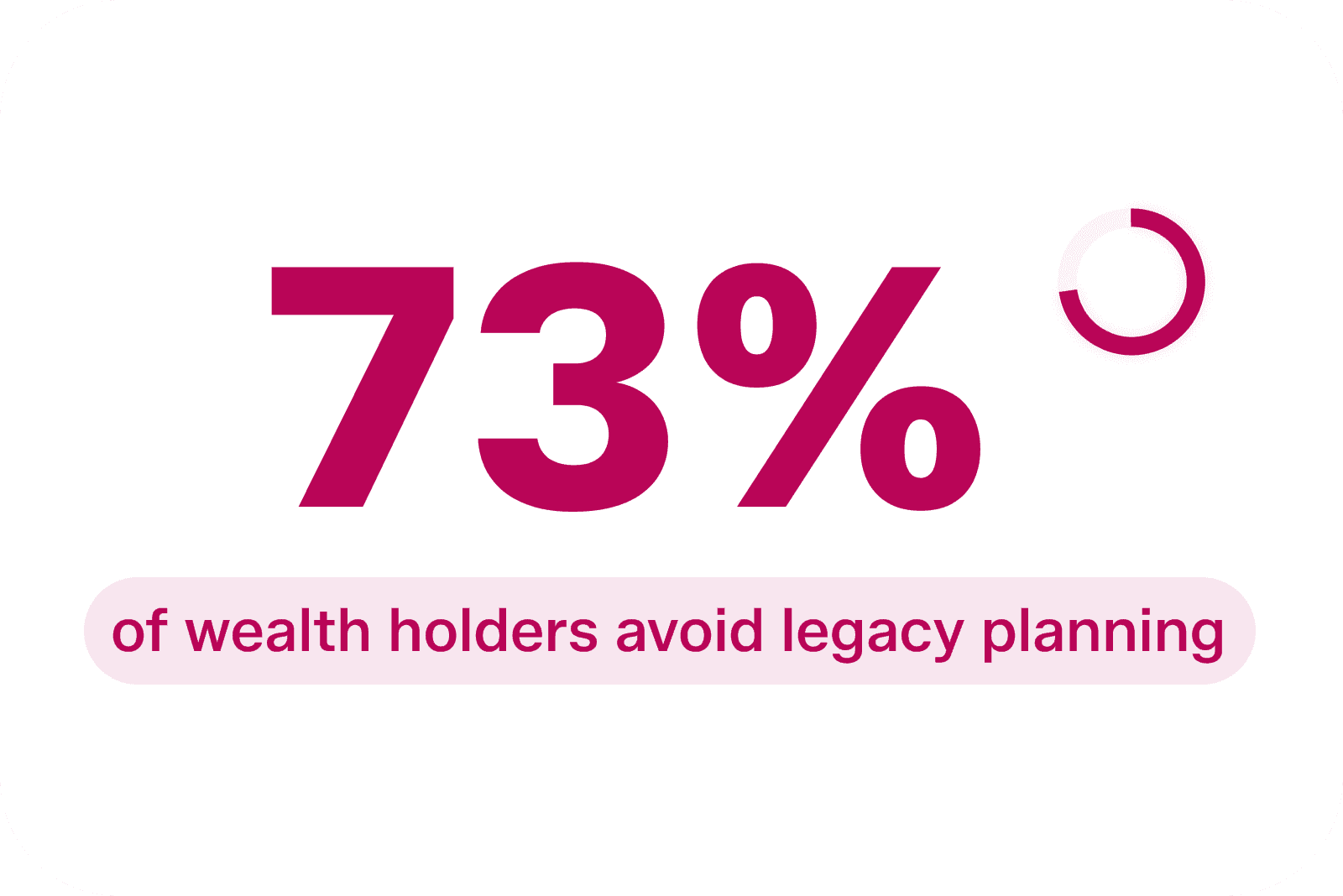
This reluctance is not merely personal — it creates measurable financial and legal risk for the assets involved and for the families who inherit them.
More than half of wealth transfers face delays because of insufficient planning, legal complexity and lengthy probate processes.
Unclaimed wealth risk
Finance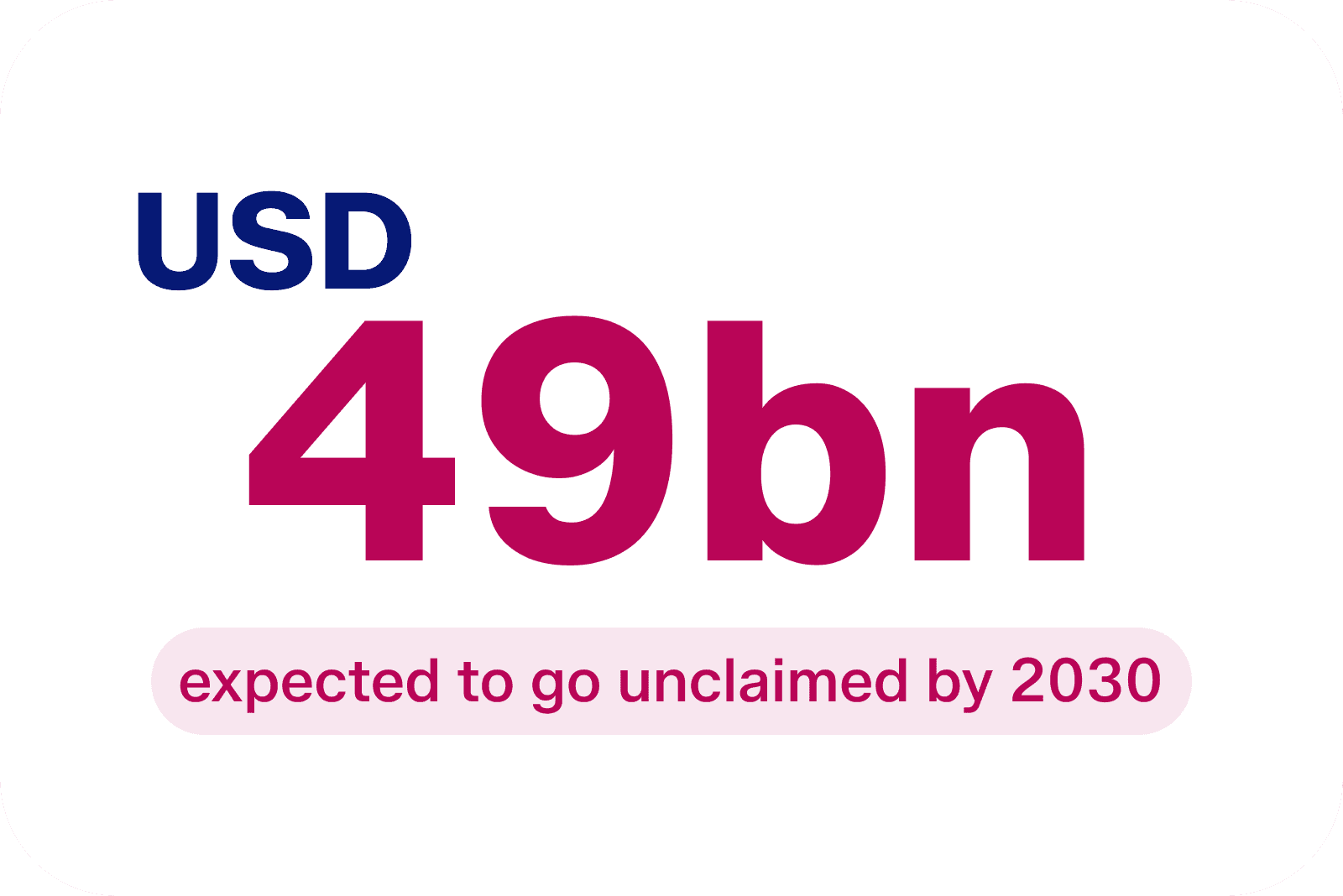
A further USD 123 billion is expected to be tied up for more than six months in costly probate processes.
Together, unclaimed and probate-delayed wealth represent a systemic gap in the region’s wealth transfer infrastructure.
Transfer main obstacle
Complexity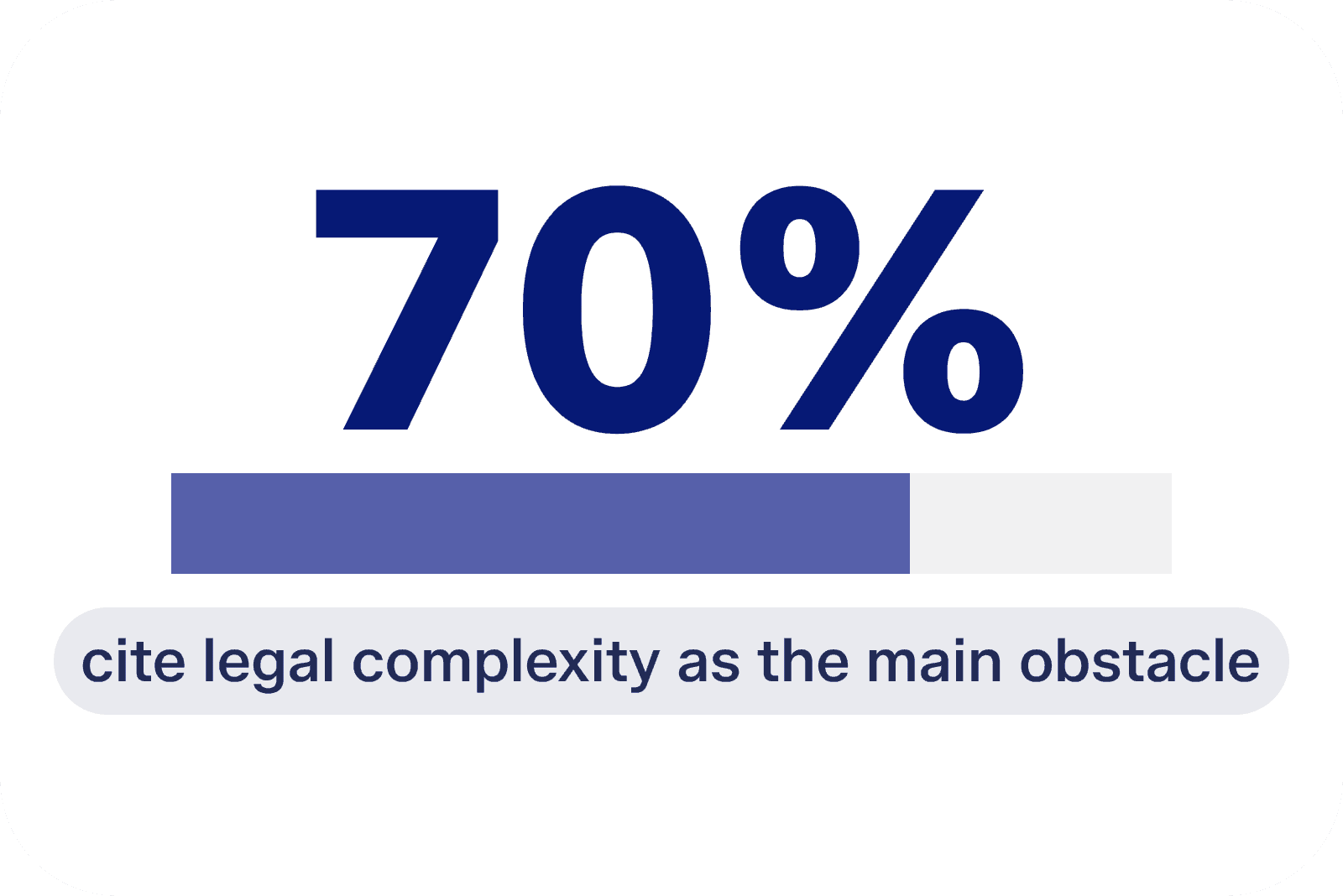
Legal complexity is driving demand for tokenisation and structural alternatives that streamline and simplify transfers.
Complexity is driving interest in structural alternatives that reduce the administrative burden altogether.
Inheritance planning is becoming a more urgent strategic issue as large volumes of wealth approach intergenerational transfer across the Middle East. The challenge is not only the scale of assets involved, but the legal complexity, operational delays and low planning readiness that continue to put efficient transfer at risk.
How prepared are families and financial institutions for the next phase of wealth transfer? What is the cost of delay when planning, regulation and operational readiness fail to keep pace with the scale of the shift ahead?
The whitepaper examines the future of inheritance through the lens of wealth transfer scale, planning behaviour, administrative complexity and technological change. It looks at the barriers that delay asset transfer today, the amount of wealth at risk of remaining unclaimed and the role of financial ecosystems and regulatory frameworks in supporting smoother succession.
The research, developed in collaboration with Dubai International Financial Centre (DIFC) Innovation Hub, Julius Baer and Euroclear, highlights:
73% reluctant to discuss planning: most wealth holders are unwilling to discuss comprehensive legacy planning, even with trusted advisers and established wealth managers
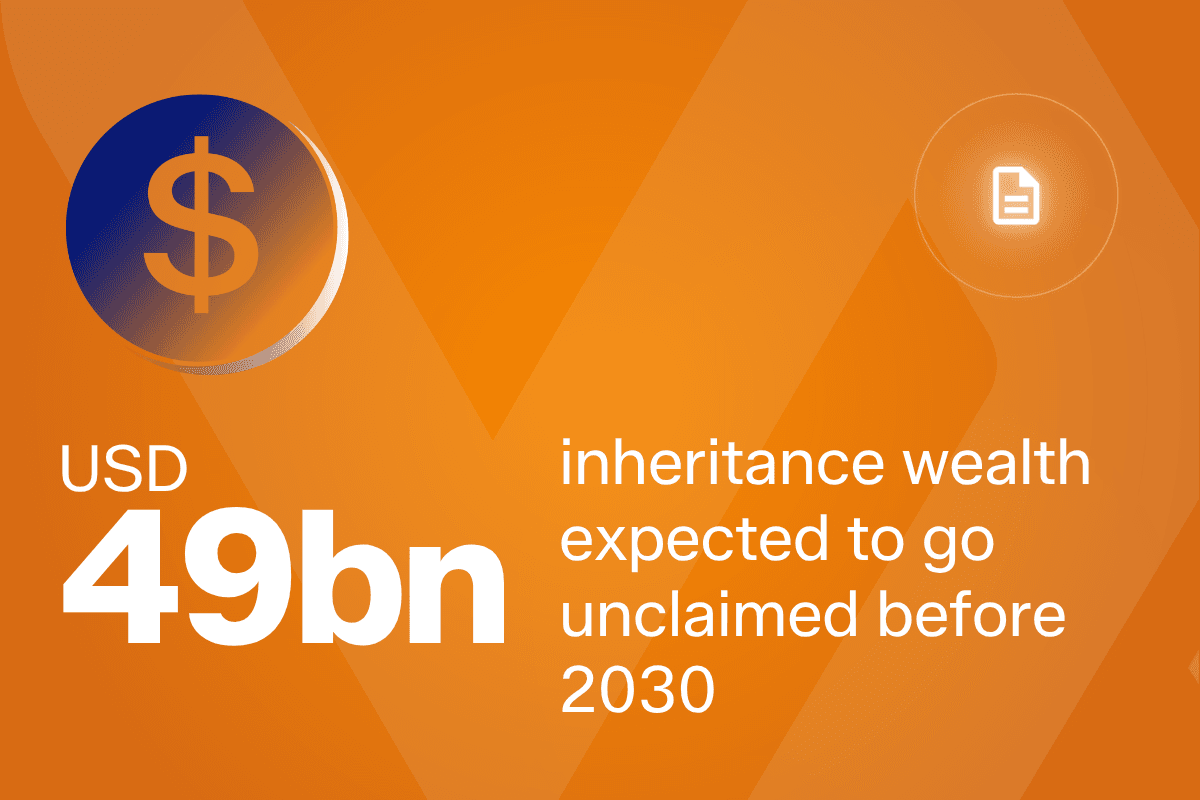
US dollar (USD) 49 billion expected to go unclaimed: a substantial volume of wealth in the Middle East could remain unclaimed before 2030
Costly probate processes will delay a further USD 123 billion for more than six months
70% cite legal and administrative complexity: most respondents see complexity as the main obstacle to effective wealth transfer
45% see tokenisation as part of the solution: respondents increasingly view tokenisation as a way to simplify and streamline transfer processes
Ask the Xchange AI
Have a question about our research? Ask our AI assistant for specific insights.
Keep reading — it's free
Verify your email to read this content
SHARE THIS INSIGHT

Discover More
View All Insights
Key findings
15 July 2026
How ready is Europe for a critical year in the transition to T+1?

Webinar recording
14 July 2026
How is readiness evolving across the EU, UK and Switzerland as T+1 moves closer?
Xchange brief
14 July 2026
Our conversations this month: DLT deployment, T+1 complacency, AI in regulated institutions, EU market structure, and private markets
Xchange brief
13 July 2026
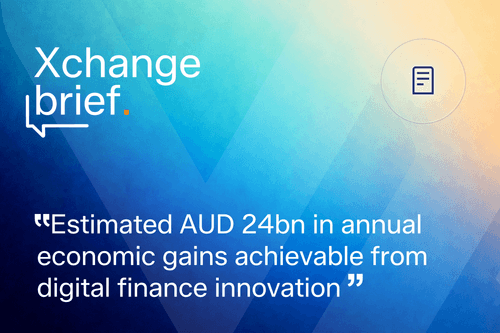
The Reserve Bank of Australia is ready to launch its first digitally native bond. Why should you pay attention to Australian digital assets?
Key findings
8 July 2026
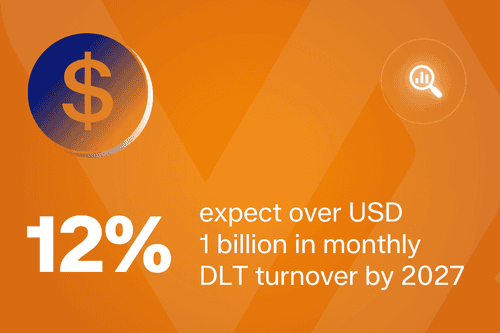
How are firms using DLT and digital assets in practice in 2026?