
T+1 implementation guide for European markets: report
A practical guide to planning and managing T+1 implementation across European markets.
In Partnership with


Accelerated settlement in Europe will depend on more than budget and intent. This guide examines how firms are preparing for T+1, where operating model fragmentation and infrastructure constraints remain most acute, and what questions firms should address across planning, build and execution.
Tier one automation gains
Automation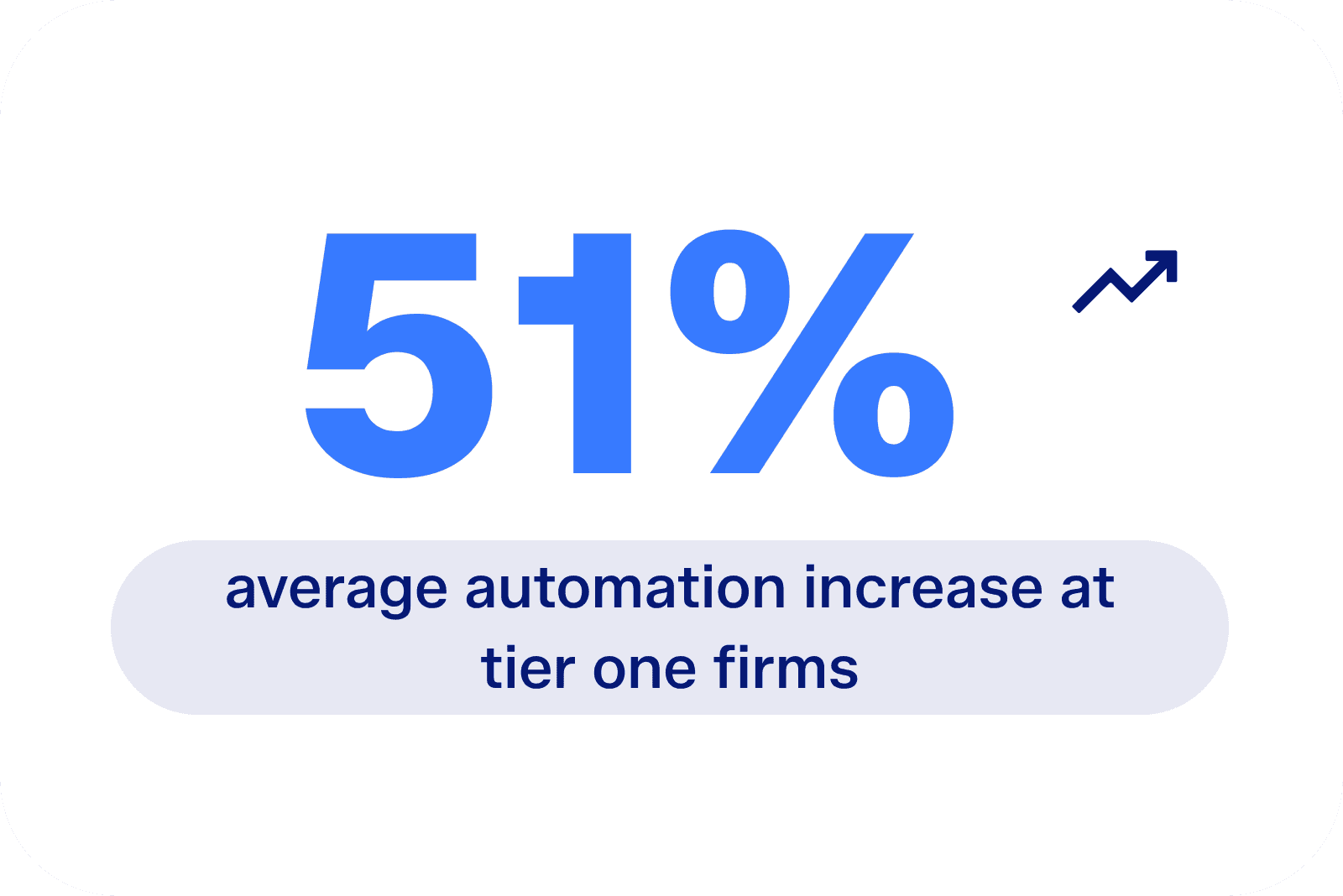
The 2024 transitions provided a clear view of how firms approached settlement acceleration — and where automation investment made the greatest difference.
The automation gains made during preparation are now providing a foundation for the next wave of global T+1 transitions.
Key success driver
Operations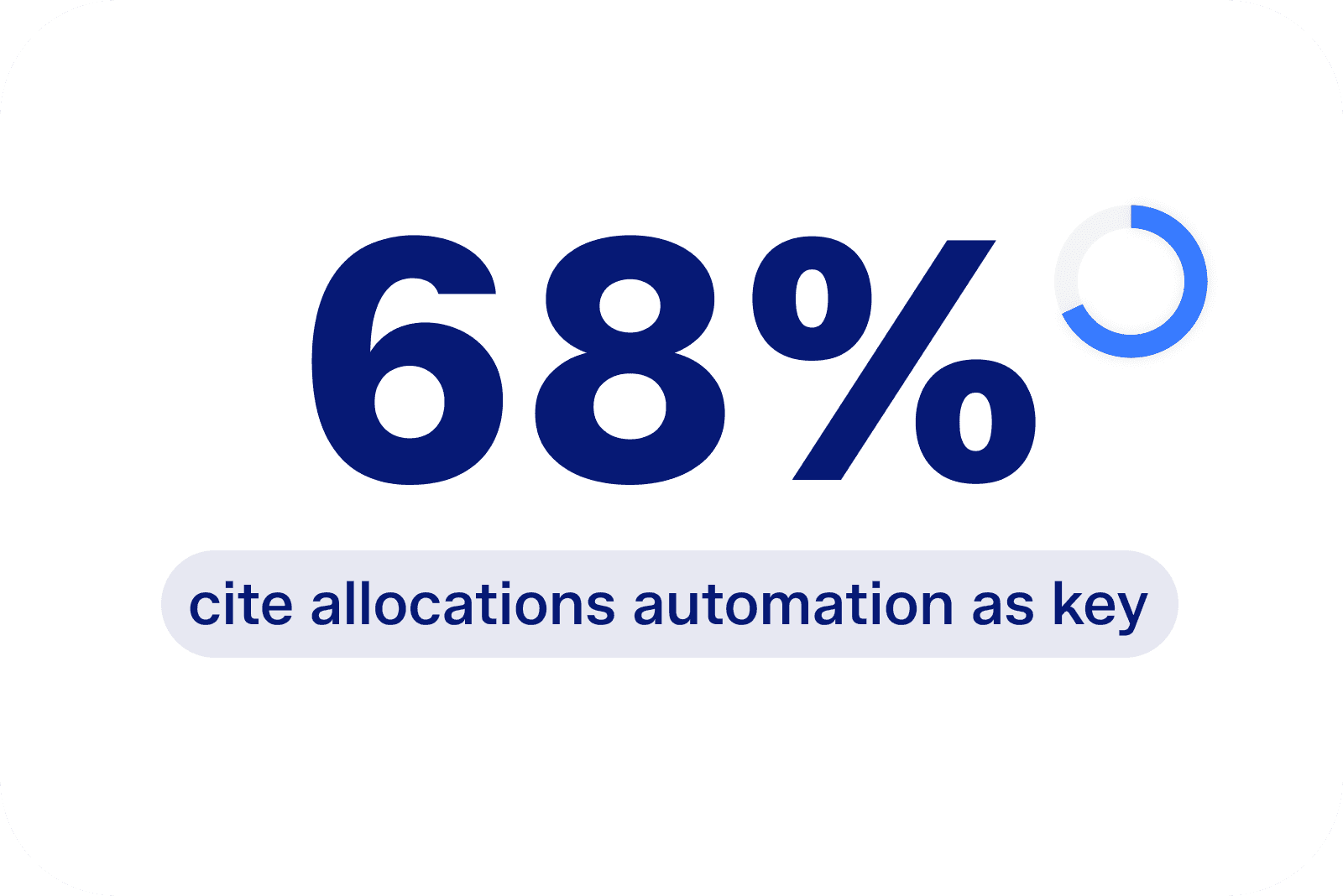
Automating allocations and confirmations was the single most important operational factor — not technology investment in general, but this specific capability.
Firms that had already invested in this area before the deadline experienced materially smoother transitions.
Post-go-live work
Optimisation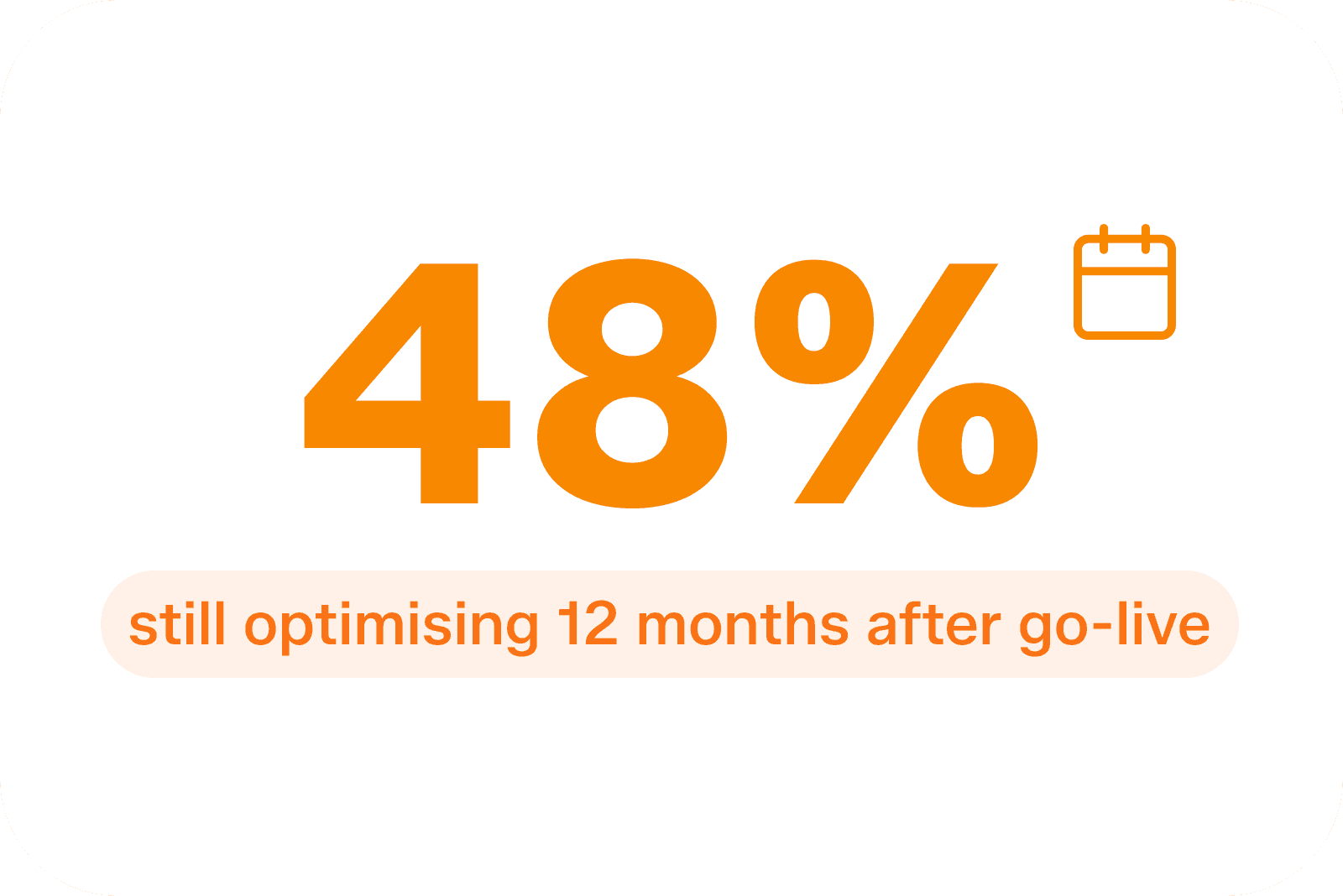
The transition did not end at go-live — nearly half of firms continued refining processes and operating models well after the deadline passed.
Post-go-live optimisation reflects the depth of change T+1 requires across the full operating model.
T+1 preparation in Europe is moving from high-level planning into more detailed implementation decisions. The central challenge is not simply whether firms are investing, but whether their operating models, infrastructure and trade-cycle workflows are ready to support accelerated settlement at scale.
What questions should firms be asking as they prepare for T+1 in Europe? Where are the main execution risks emerging across structure, scalability and trade-cycle design?
The report draws on industry benchmarking results and interviews with leading experts to provide a practical framework for firms preparing for accelerated settlement. It is structured around foundational questions, regional considerations and trade-cycle pressure points across execution, confirmation, funding and settlement.
The research, developed in collaboration with Citi, the UK T+1 Accelerated Settlement Taskforce and the European Union (EU) T+1 Industry Committee, highlights:
31% report budget growth: some firms are increasing investment operations budgets, but funding alone is not resolving execution challenges
32% still process trades locally: localised processing models remain common, increasing operational fragmentation
29% do not operate a global model: many European firms still lack the model consistency needed for more compressed settlement cycles
25% believe current infrastructure may not scale effectively into T+1
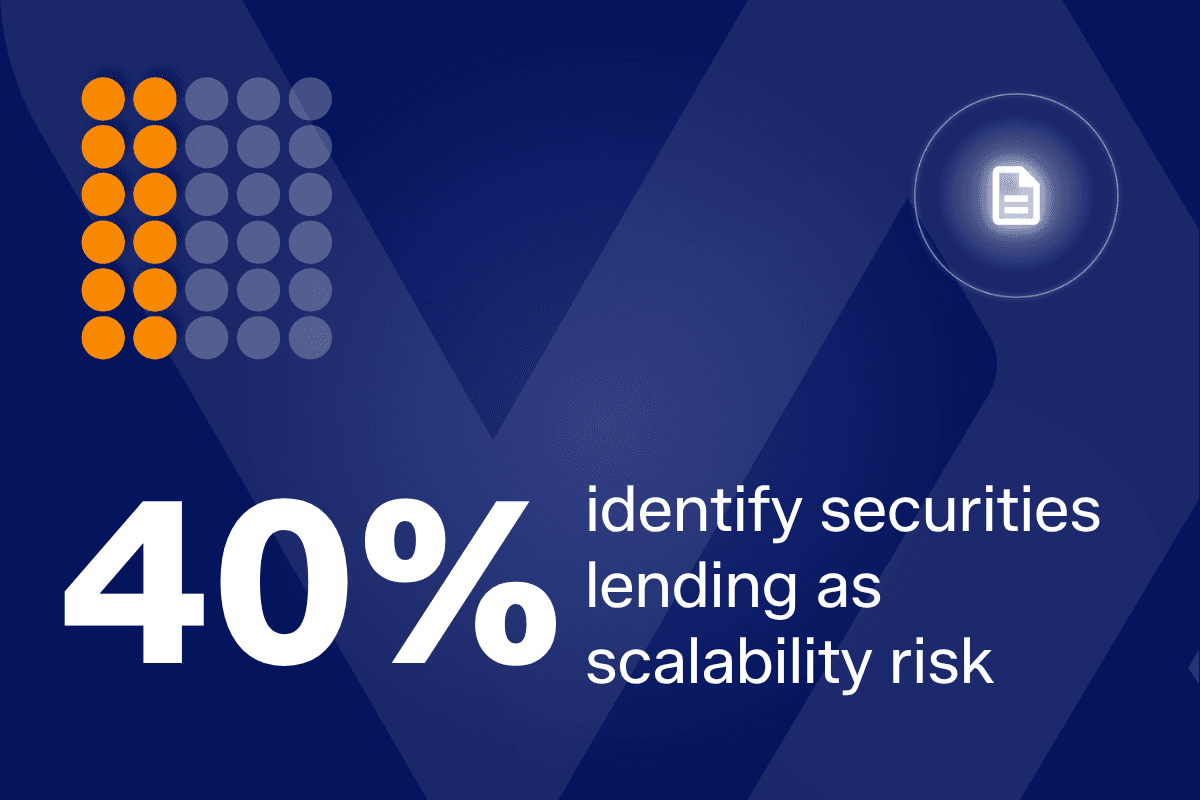
40% identify securities lending as a risk: securities lending platforms are seen as a key scalability constraint in the transition
Ask the Xchange AI
Have a question about our research? Ask our AI assistant for specific insights.
Keep reading — it's free
Verify your email to read this content
SHARE THIS INSIGHT

Discover More
View All Insights
Key findings
15 July 2026
How ready is Europe for a critical year in the transition to T+1?

Webinar recording
14 July 2026
How is readiness evolving across the EU, UK and Switzerland as T+1 moves closer?

Xchange brief
14 July 2026
Our conversations this month: DLT deployment, T+1 complacency, AI in regulated institutions, EU market structure, and private markets
Xchange brief
13 July 2026
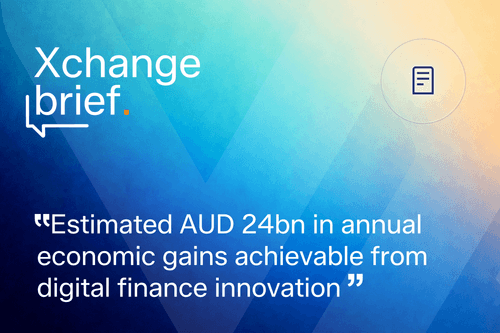
The Reserve Bank of Australia is ready to launch its first digitally native bond. Why should you pay attention to Australian digital assets?
Key findings
8 July 2026
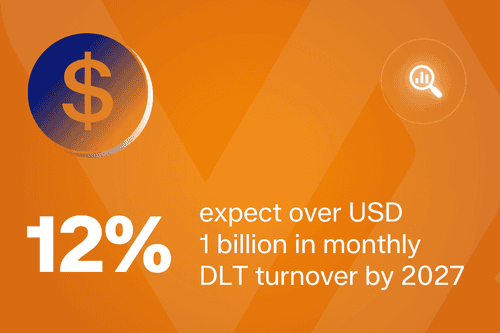
How are firms using DLT and digital assets in practice in 2026?