
Transforming proxy voting in Australia: factsheet
How Australia is reshaping proxy voting through transparency, automation and market-wide connectivity.
In Partnership with


Australia’s proxy voting market has undergone a significant operational shift as shareholder engagement, transparency and governance demands increase. This factsheet examines the limits of legacy voting models, the risks facing issuers and investors, and how digital infrastructure is changing control across the market.
Rising voting costs
Problem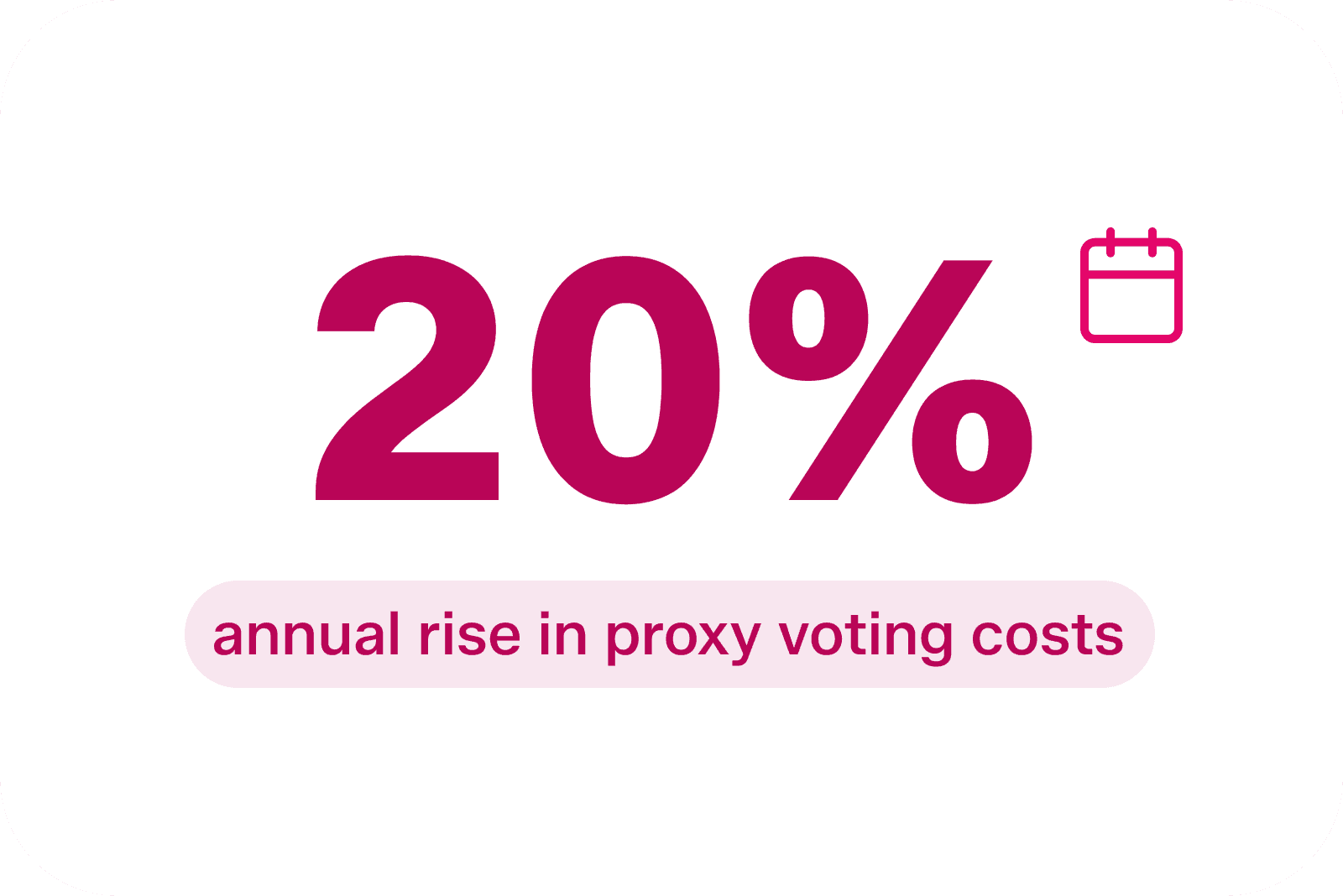
Rising costs were one of four pressure points — alongside weak visibility, low participation and increasing operational effort — that made the legacy model unsustainable.
The combination of rising cost and falling effectiveness made the case for transformation difficult to ignore.
Capital not voted
Participation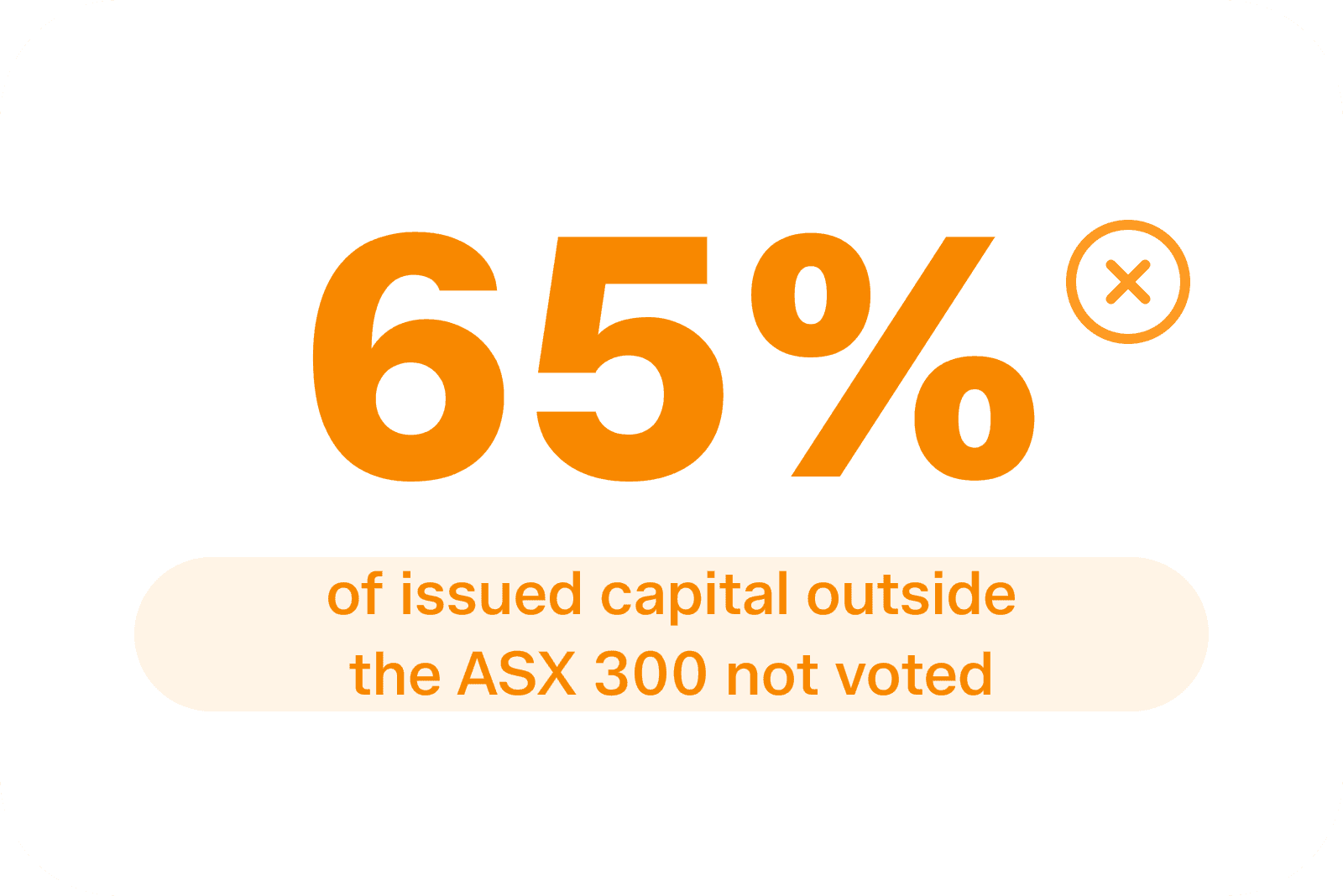
Nearly one in four of issuers still lack visibility on voting outcomes — meaning capital is going not just unvoted, but untracked.
The participation gap represents both a governance failure and a commercial opportunity for platforms that can improve connectivity and transparency.
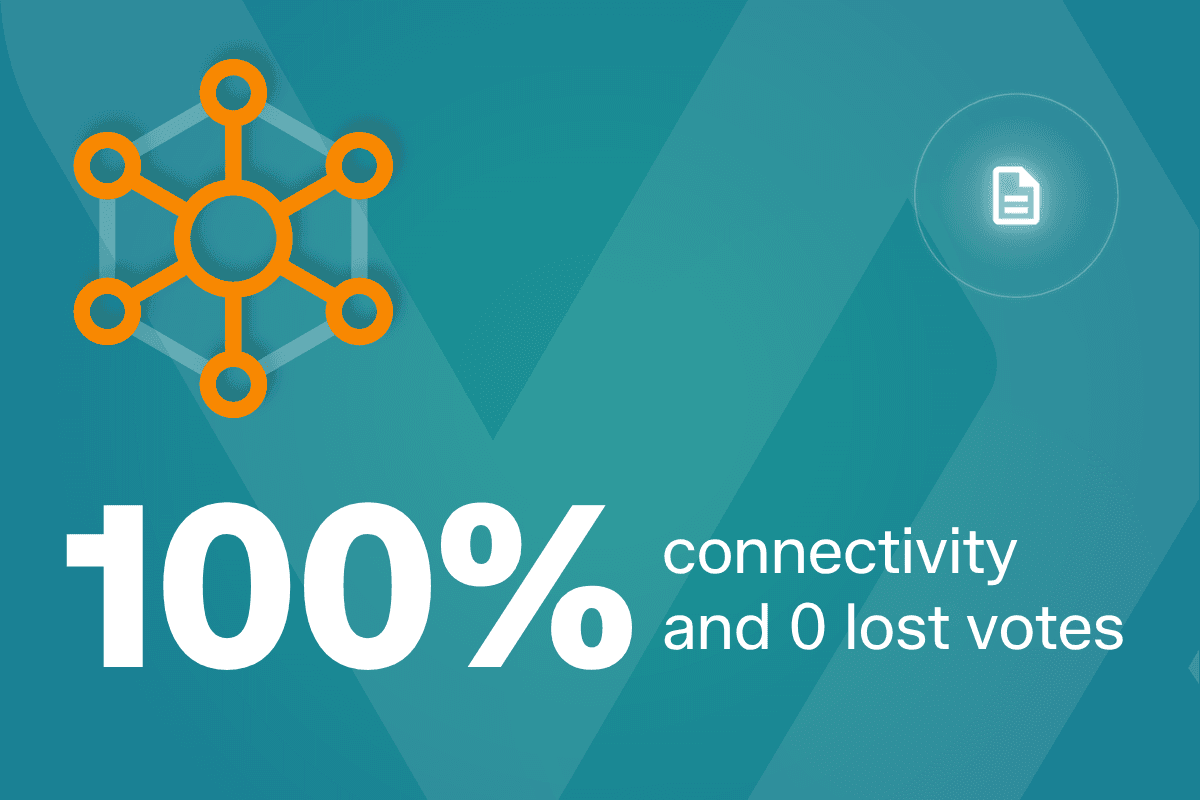
Zero lost votes
Transformation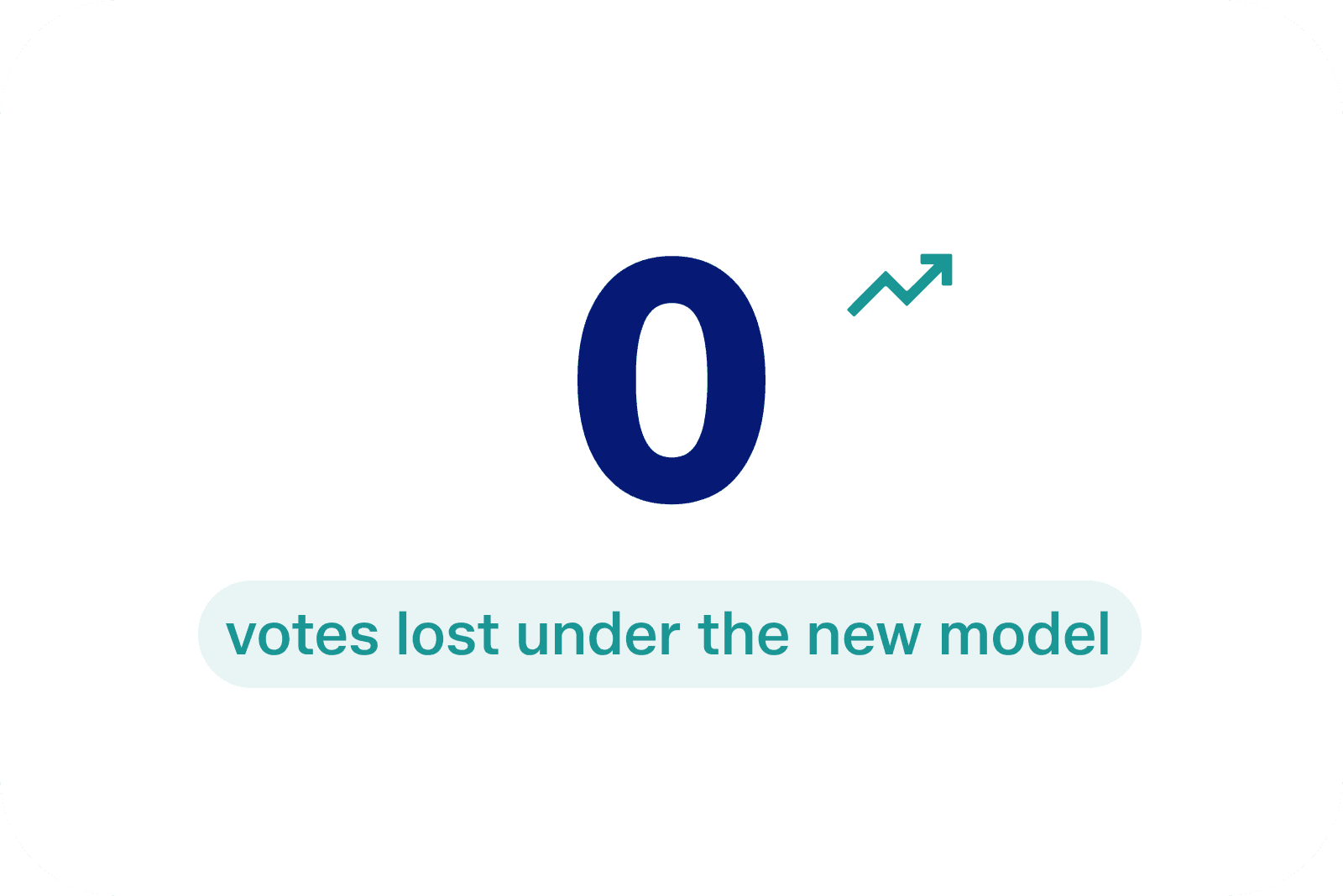
The new model improves scale, transparency and voting outcomes, with beneficial owners now receiving full meeting details in real time.
Investors also gained two additional days to assess and act — a structural improvement in how engagement is managed across the market.
Proxy voting in Australia has moved through one of the most significant market shifts seen in global governance operations in recent years. As shareholder engagement becomes more influential in investment decision-making, the weakness of legacy voting models is becoming harder for both issuers and investors to absorb.
What drove Australia's proxy voting transformation? How is digital infrastructure changing visibility, control and participation across the voting chain?
The factsheet combines findings from earlier research with market interviews to examine the operational and governance challenges created by legacy proxy voting structures. It looks at rising cost, limited transparency, low participation and the role of digital connectivity in improving voting outcomes across the Australian market.
The research, developed in partnership with Proxymity, highlights:
The previous model created rising cost, weak visibility, low participation and greater operational effort across the market
20% annual cost rise for 26% of investors: proxy voting costs increased materially for a significant share of market participants
38% still lack voting visibility: many issuers remain unable to see how shareholders voted under legacy structures
Up to 65% of issued capital not voted: outside the ASX 300, a large share of capital still does not participate in voting
The new model connects all ASX 50 firms and sub-custodians, improves transparency and eliminates lost votes
Ask the Xchange AI
Have a question about our research? Ask our AI assistant for specific insights.
Keep reading — it's free
Verify your email to read this content
SHARE THIS INSIGHT

Discover More
View All Insights
Key findings
15 July 2026
How ready is Europe for a critical year in the transition to T+1?

Webinar recording
14 July 2026
How is readiness evolving across the EU, UK and Switzerland as T+1 moves closer?

Xchange brief
14 July 2026
Our conversations this month: DLT deployment, T+1 complacency, AI in regulated institutions, EU market structure, and private markets
Xchange brief
13 July 2026
The Reserve Bank of Australia is ready to launch its first digitally native bond. Why should you pay attention to Australian digital assets?
Key findings
8 July 2026
How are firms using DLT and digital assets in practice in 2026?